Rome Tour I

Tuesday 31 July 2012

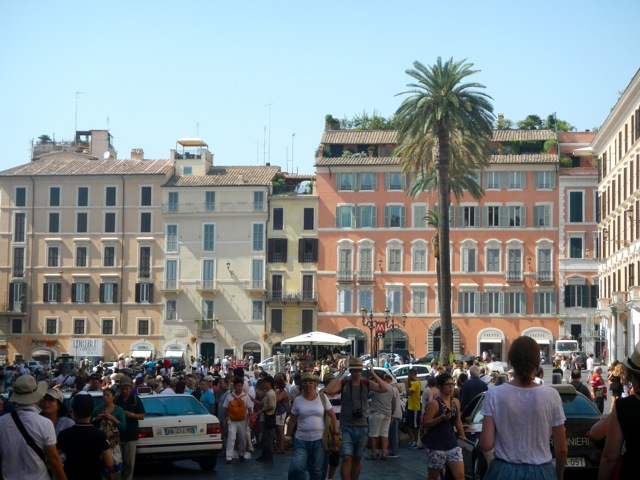
All the research says you cannot do Rome in a day, or week or month, so not sure how we can show you the pictures of the impossible.  But here’s a taste from our first day:

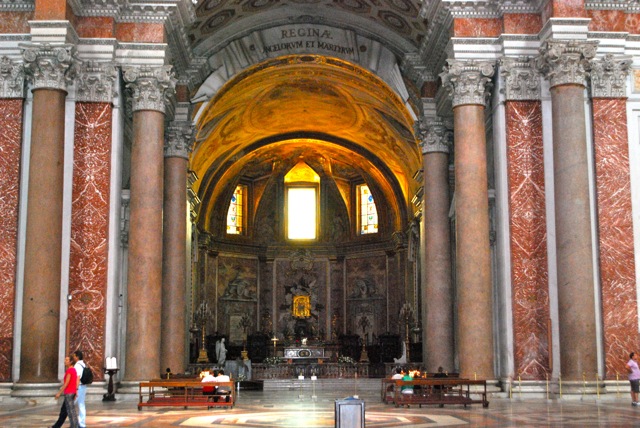
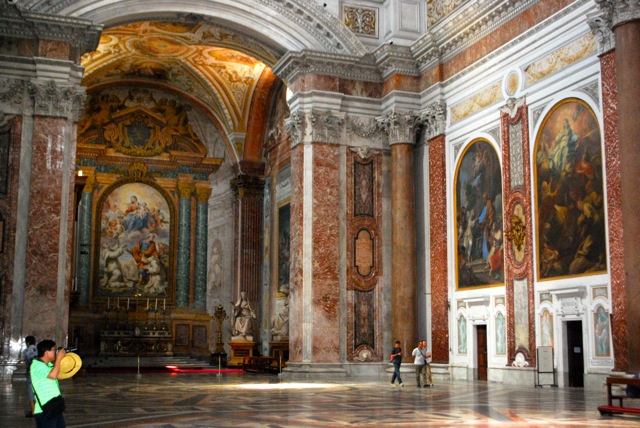
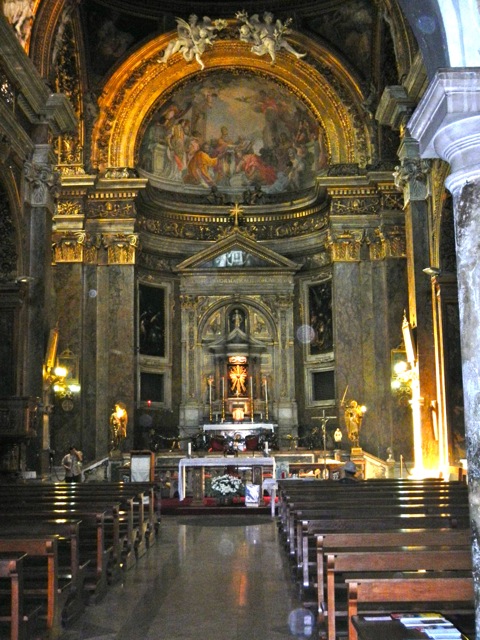
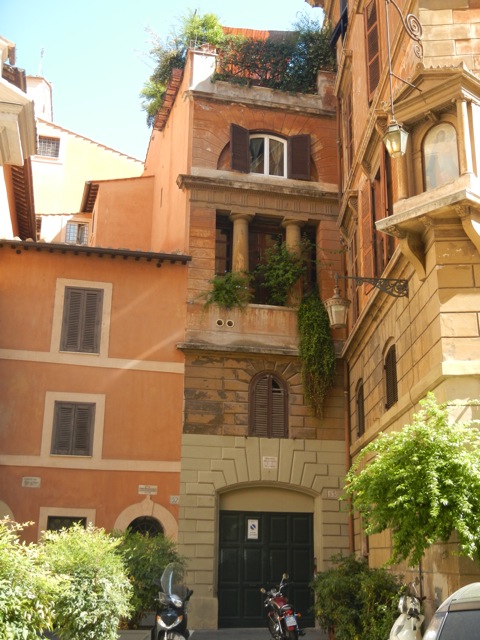
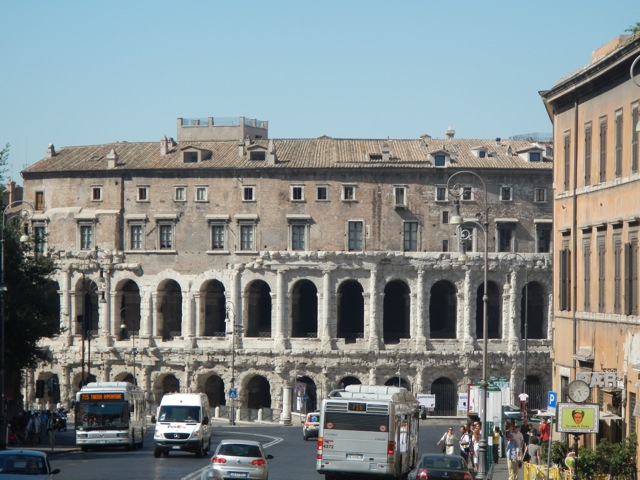
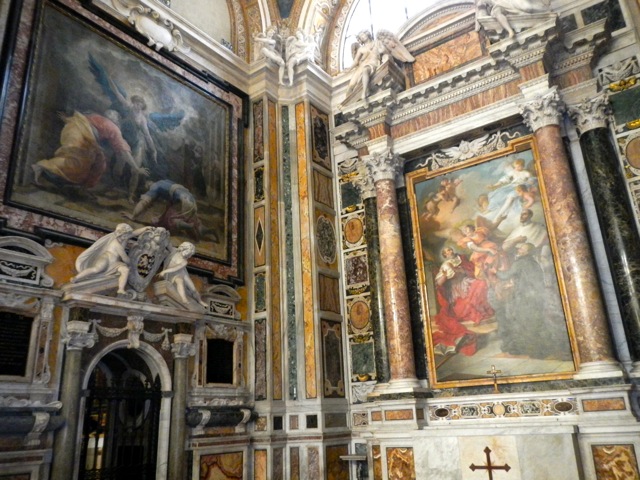
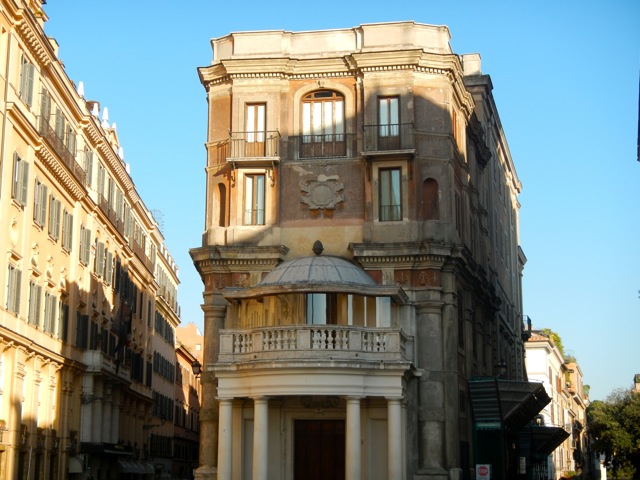
The streets of Rome.We could not get a picture of the front, as the street was too tight, but the inside of the Basilica of Saints Ambrogio and Carlo al Corso, 1612
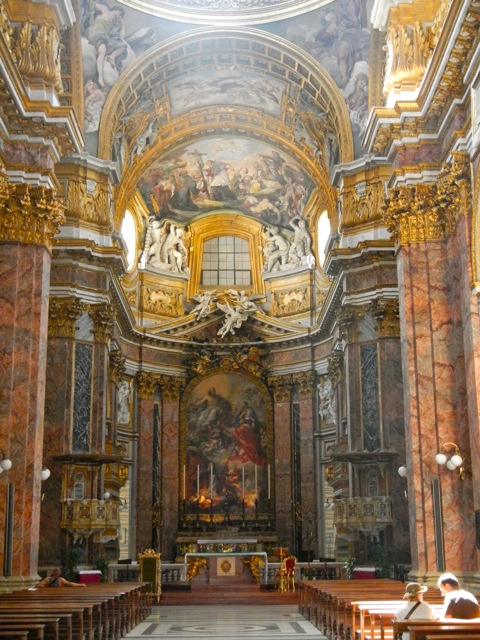
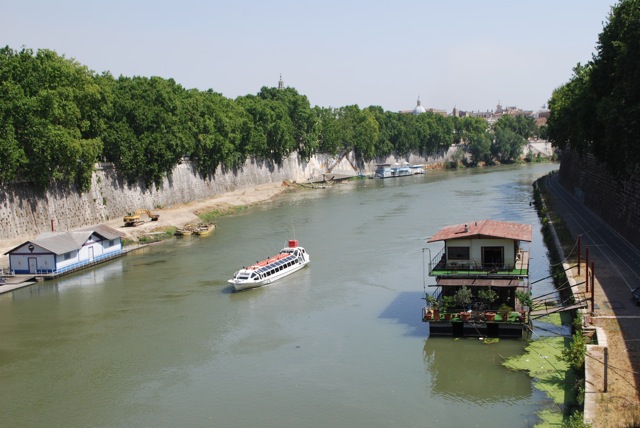
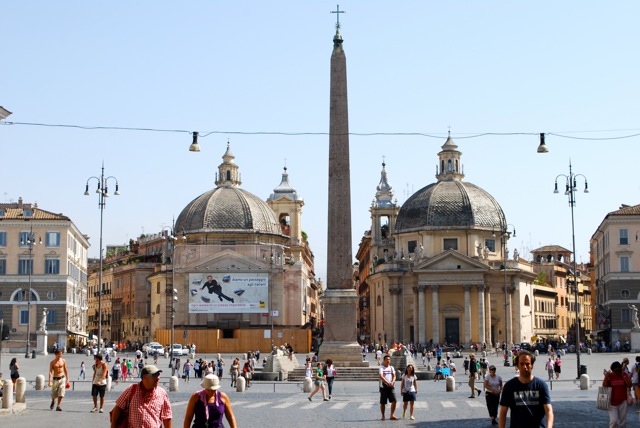
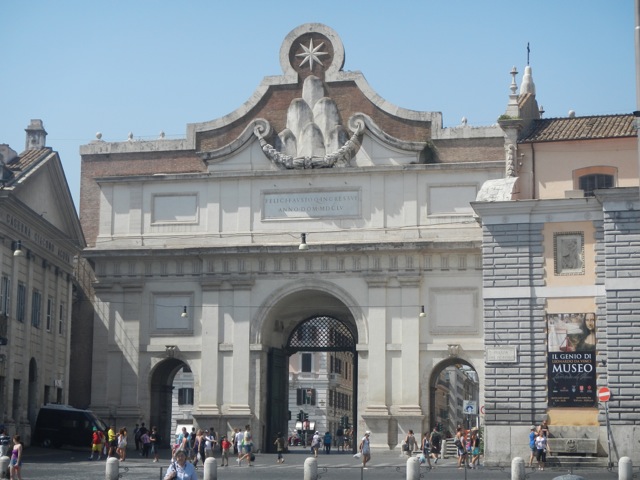
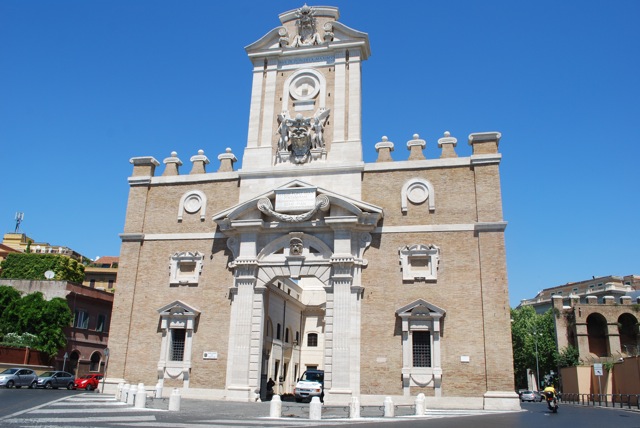
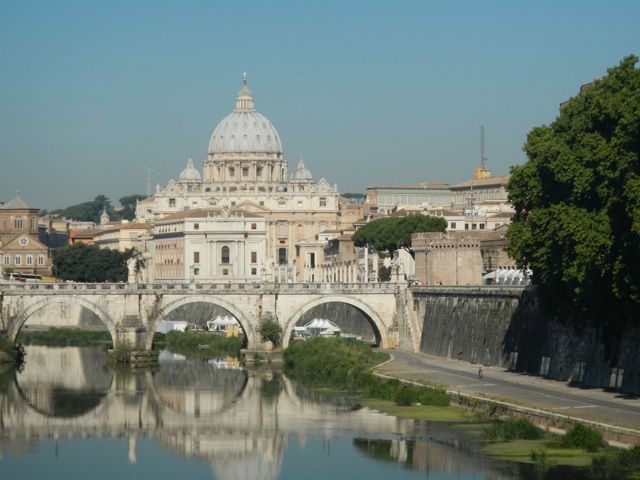
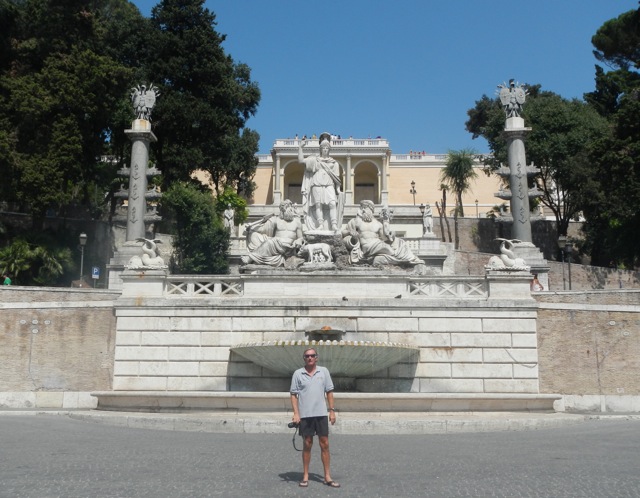
is one of the best examples of “theatrical pageantry of the late Baroque Rome.”The Tiber River.Piazza del Popolo (People’s Square). For centuries, a place for public executions, luckily the last one took place in 1826. Surrounding the Piazza is the Fontana del Nettunoand the Porta del Popolo.
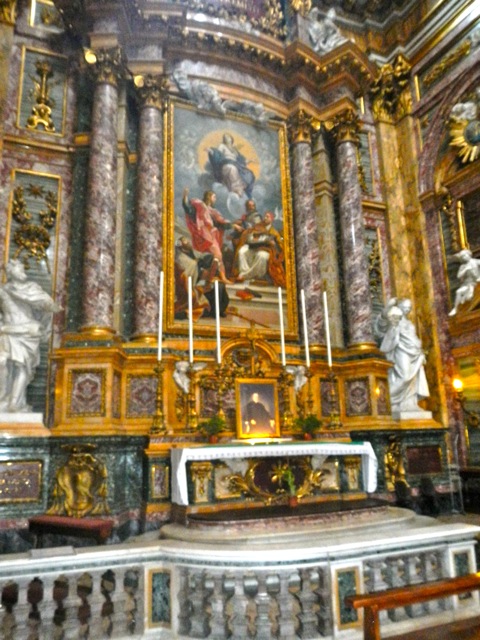
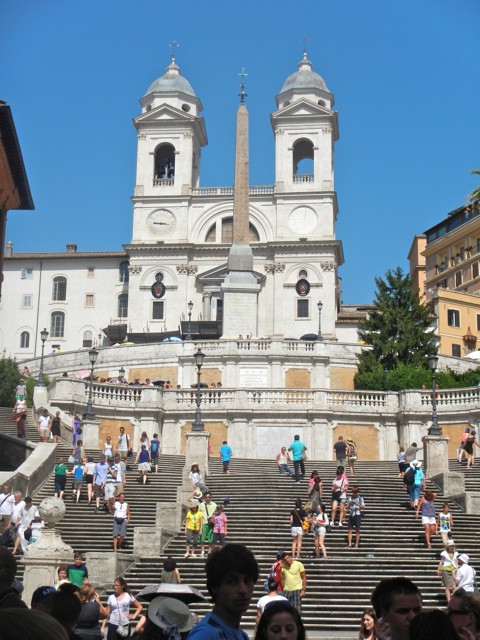
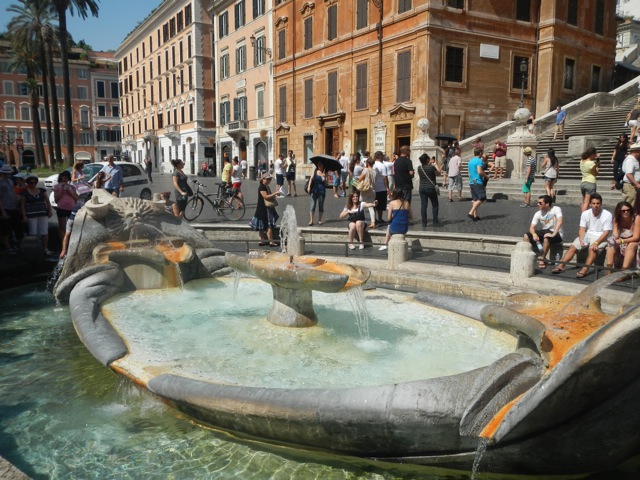
The Spanish Steps, (widest staircase in Europe) is between the Piazza di Spagna and at the base of Trinita dei Monti Church and the Fontana della Boroccia (Fountain of the Old Boat) at the base of the steps.
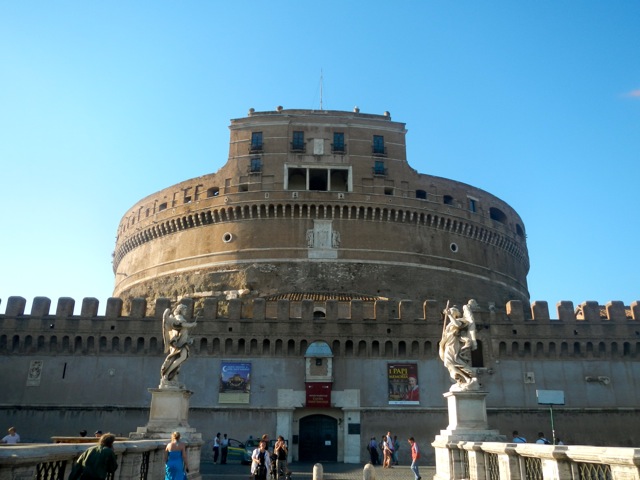
Castel Sant’Angelo (Castle of the Holy Angel), was initially commissioned by Emperor Hadrian as a mausoleum for himself and his family…..that is quite the ego (ok, I digress).  This is the Ponte Sant’ Angelo, Bridge of Hadrian, completed in 134 AD.
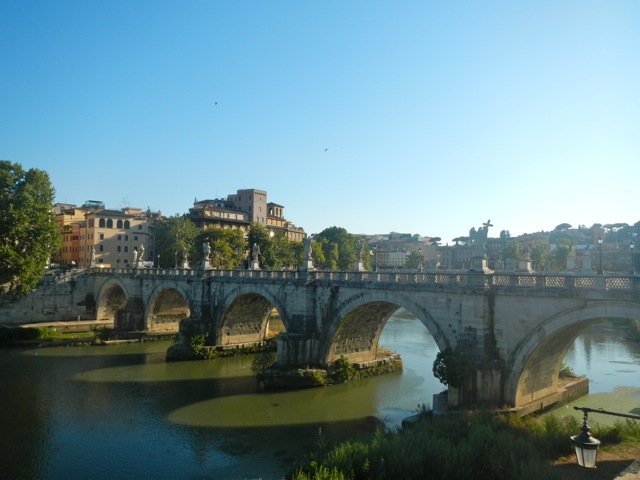
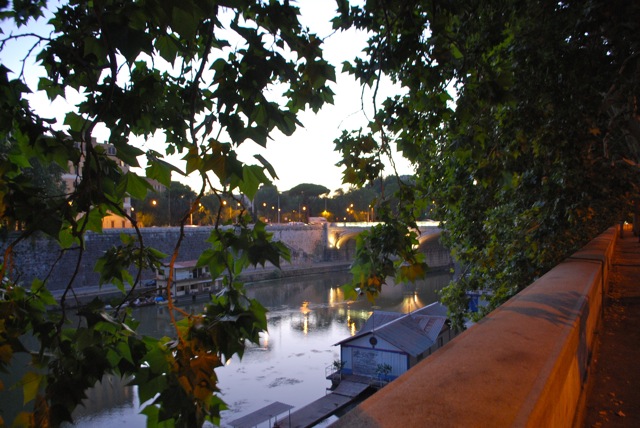
The Tiber at sunset.
Of course there was dinner, beer and wine then bed.  By the time we get home, any evidence (benefit) of our ride will be lost.
Rome – The Colosseum and Surrondings

Wednesday 1 August 2012

No adjectives can properly describe this area, so we will go with minimal facts and photos.

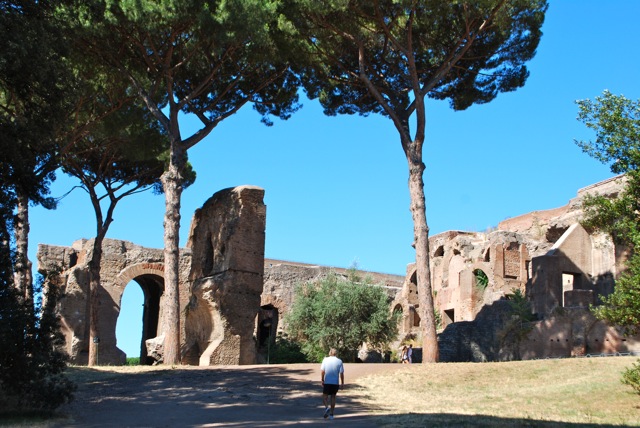
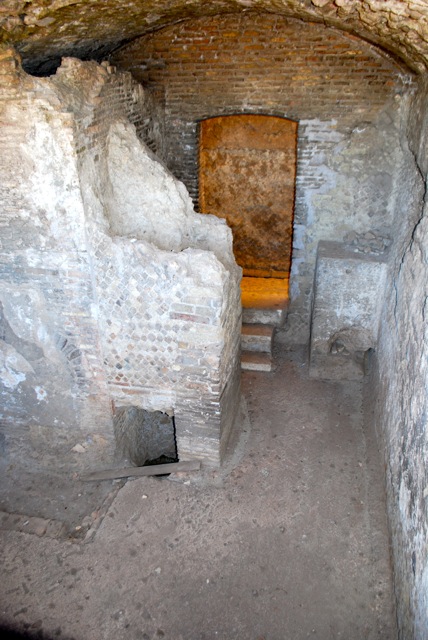
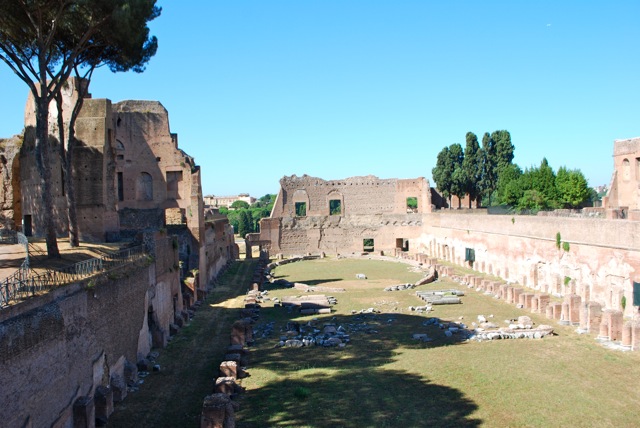
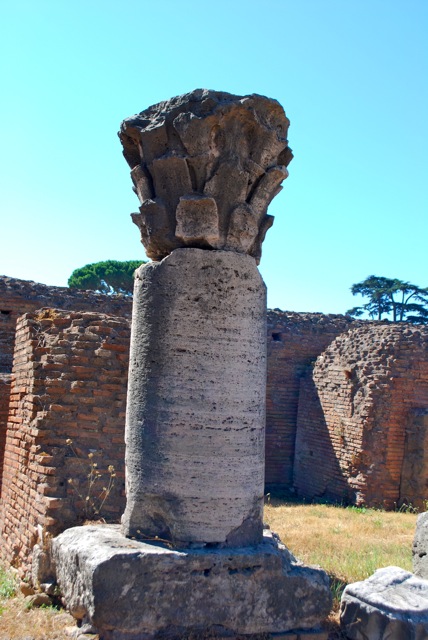
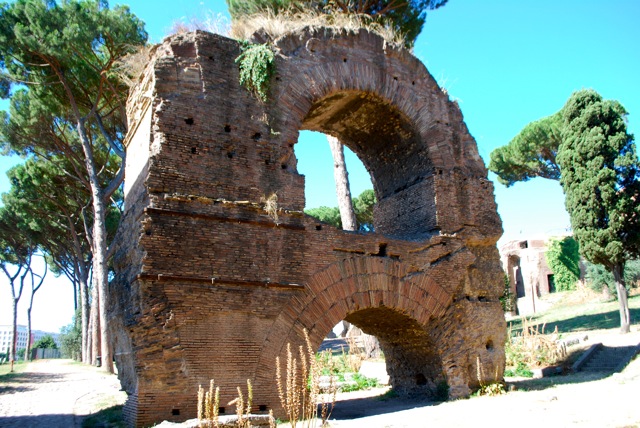
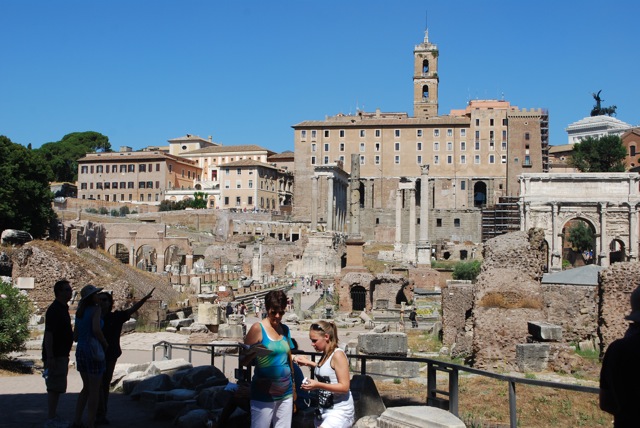
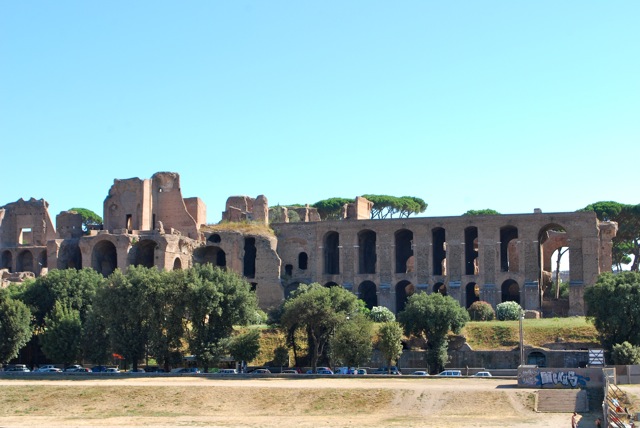
The Palatine Hill is one of the seven Hills of Rome and is one of the most ancient parts of the city. The Palatine is the spot on which the first settlers built their huts, under the direction of Romulus. In later years, the hill became a residential district, complete with gardensand enormous columns, attracting the nobility. In time, however, the area gave way to imperial palaces and drew the famous such as Caligula (murdered here by members of his Praetorian Guard) and Nero.


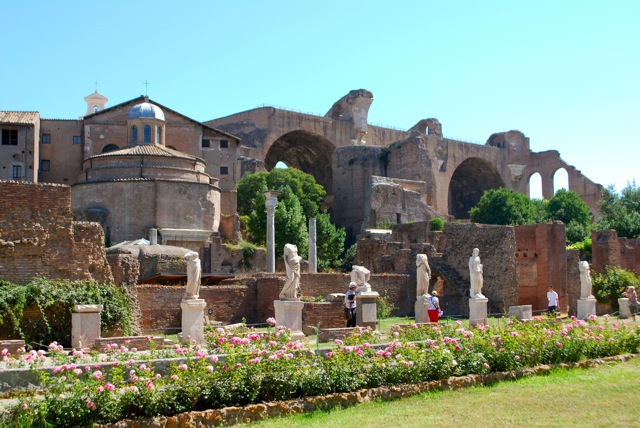
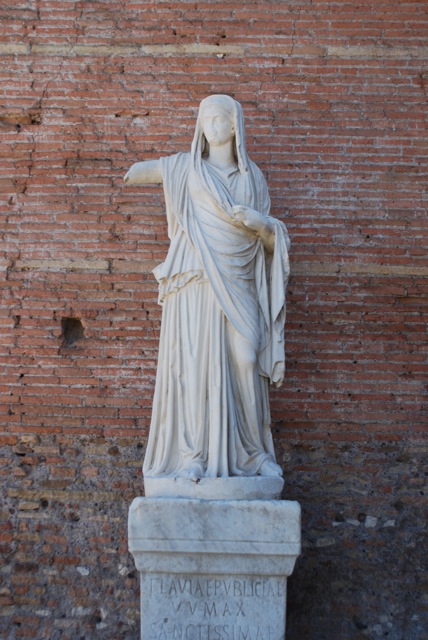
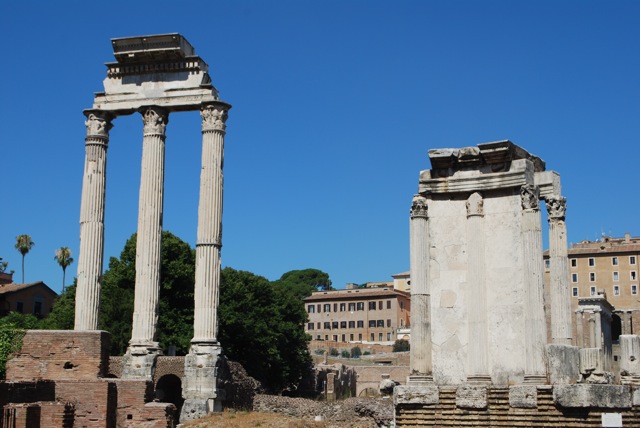
The Roman Forum has been called the most celebrated meeting place in the world and in all history. Originally a marketplace and home to (among others) the Temple of Vesta (7th century B.C.) and the Vestal Virgins.

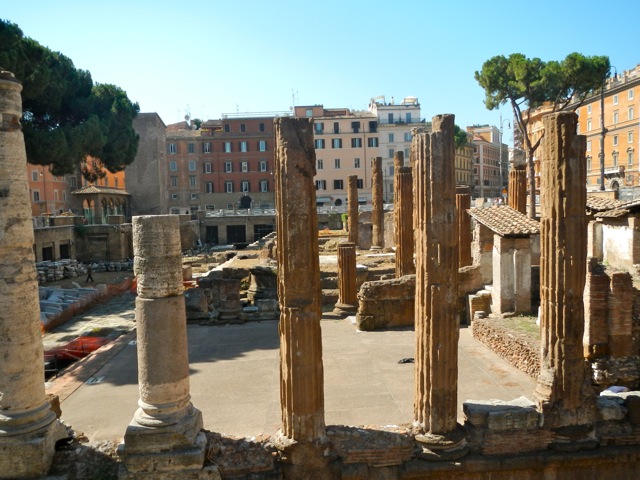
There is also the Portico Dii Consentes (Portico of the Harmonious Gods).

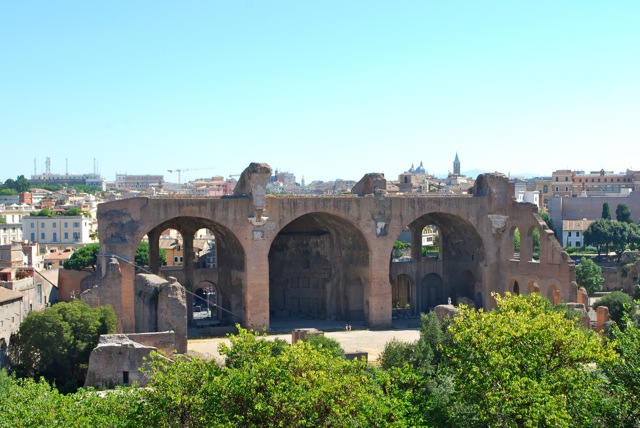
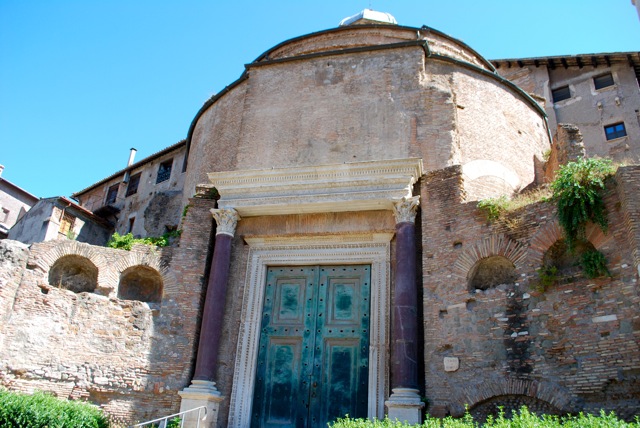
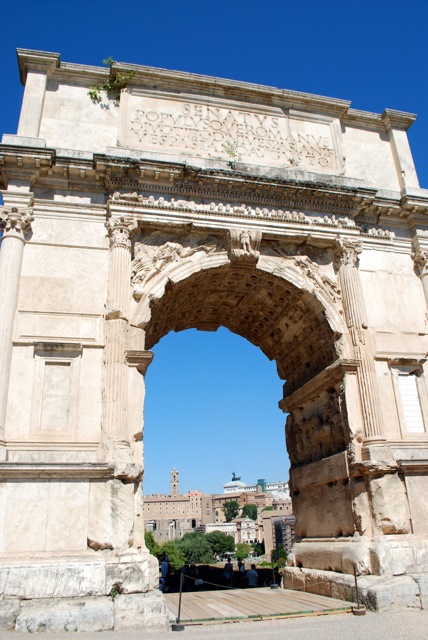
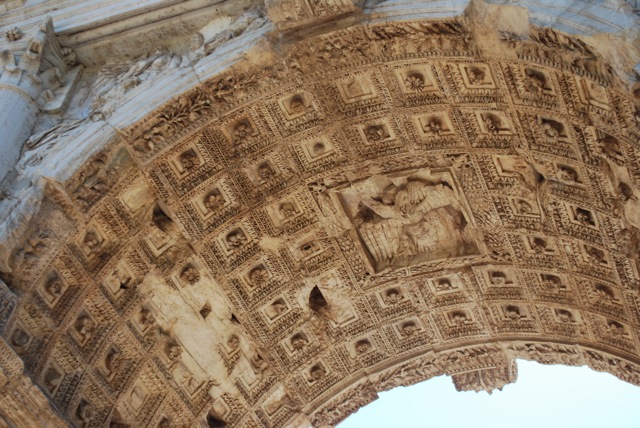
The Basilica of MaxentiusThe Temple of Romulus (original solid brass doors) was dedicated by Emperor Maxentius when his son died in 309 and the Arch of Titus(phenomenal detail) built in 81 AD.


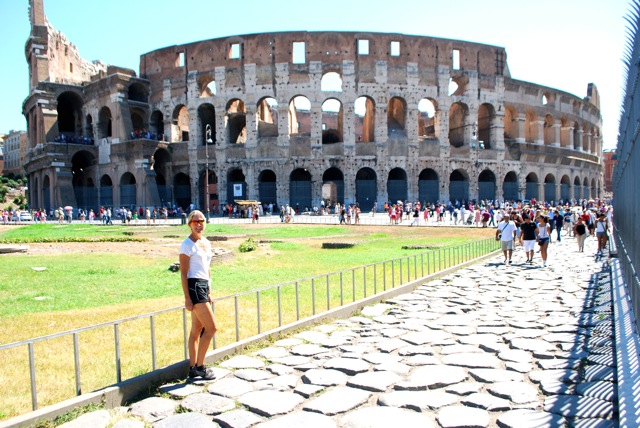
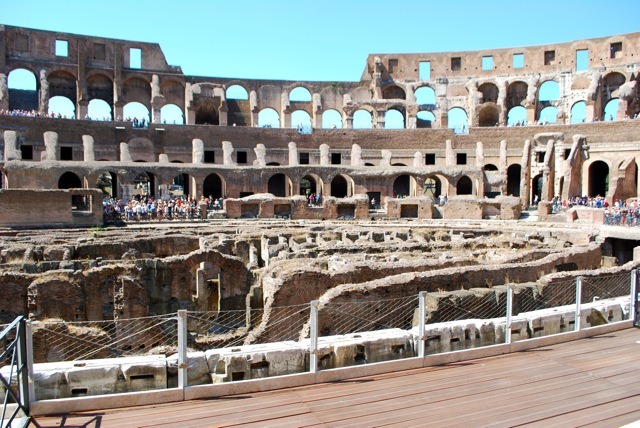
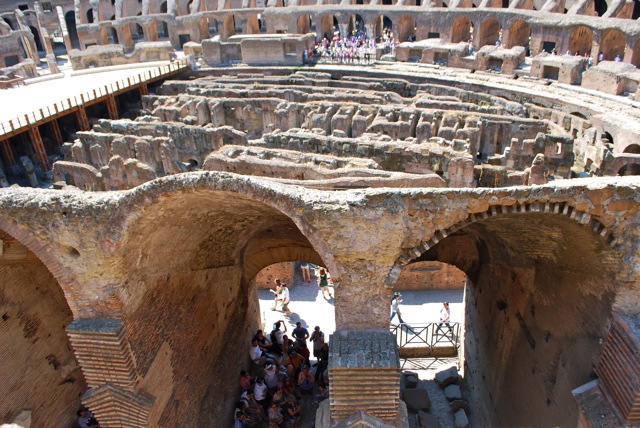
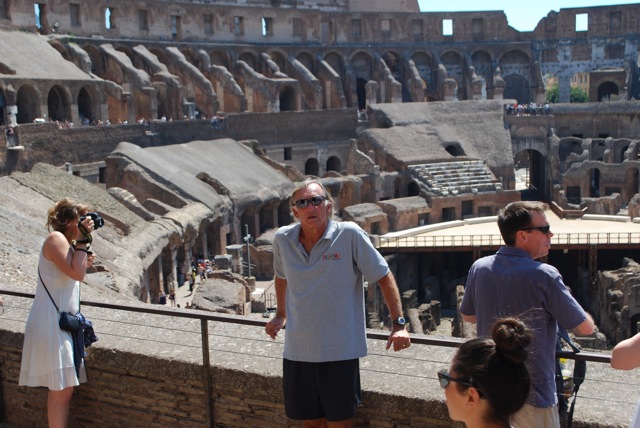
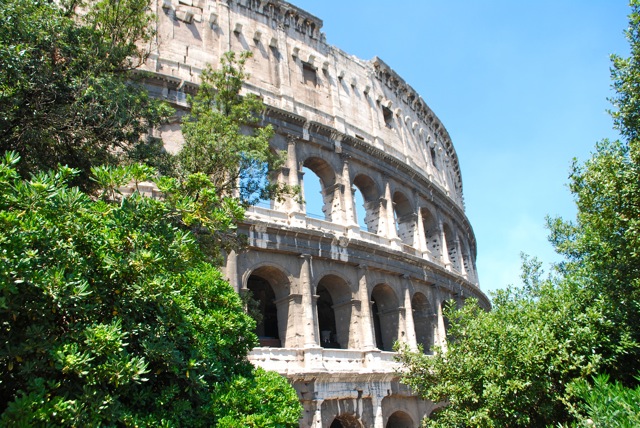
When construction was completed on the Colosseum in 80 AD it was the largest amphitheatre built in all of Rome and could house over fifty thousand people! The engineering skill and technology of the day was pushed to its limits by its construction and design (amazing). The stadium was even designed to be flooded in order to provide for mock navel battles.Incredible structure.

Rome Tour III

Thursday 2 August 2012

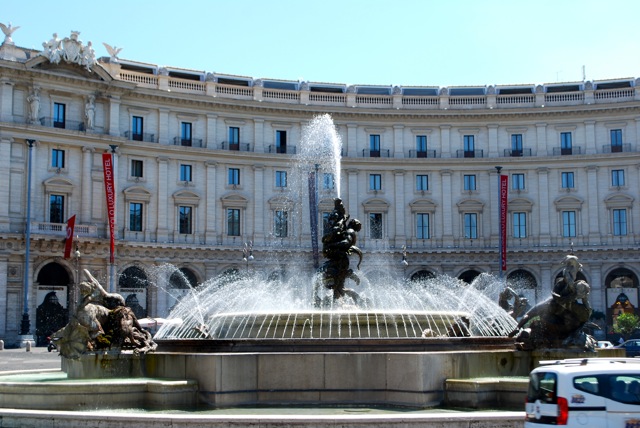
Piazza della Repubblica and Fountain of the Naiads.

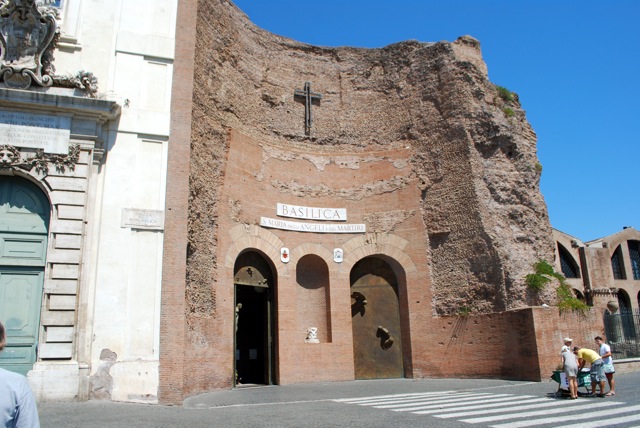
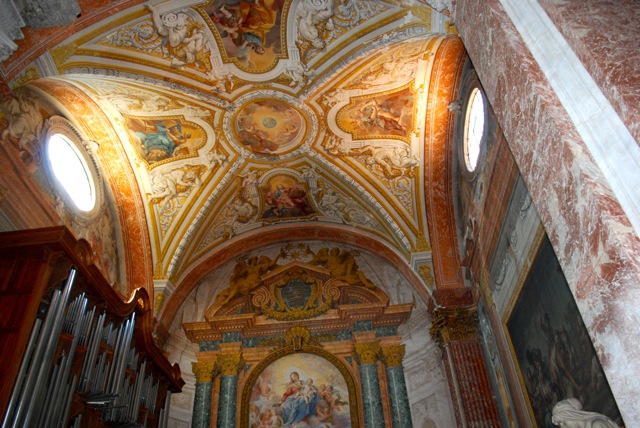
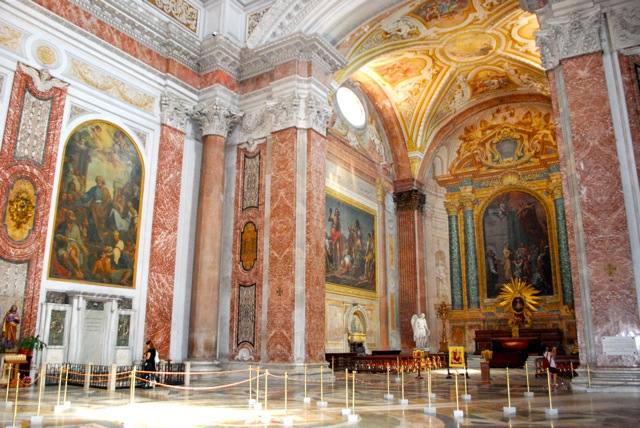
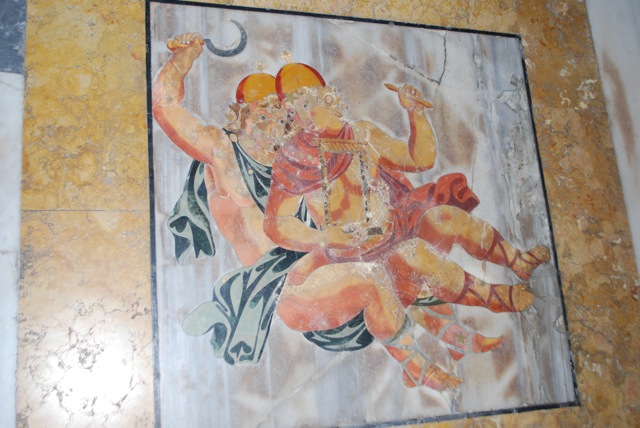
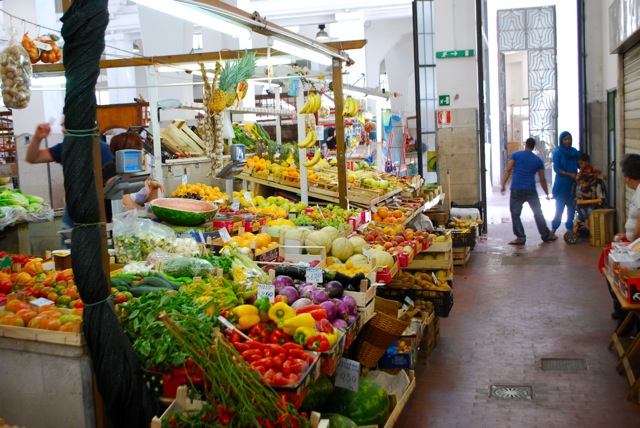
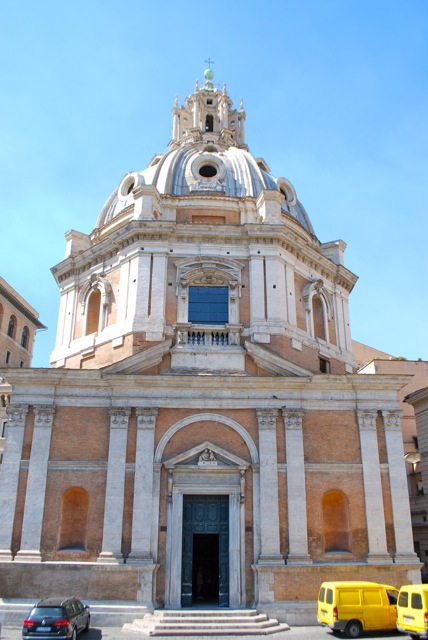
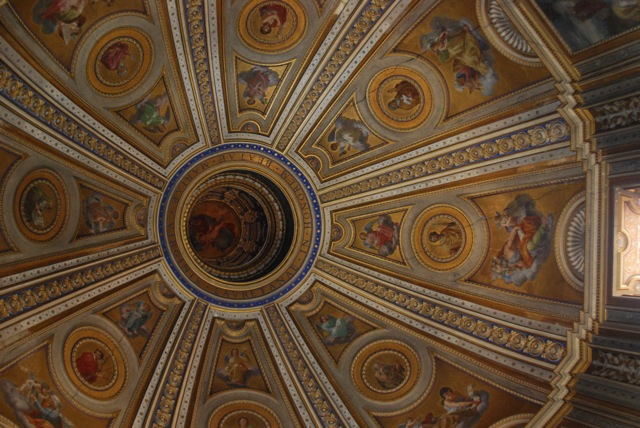
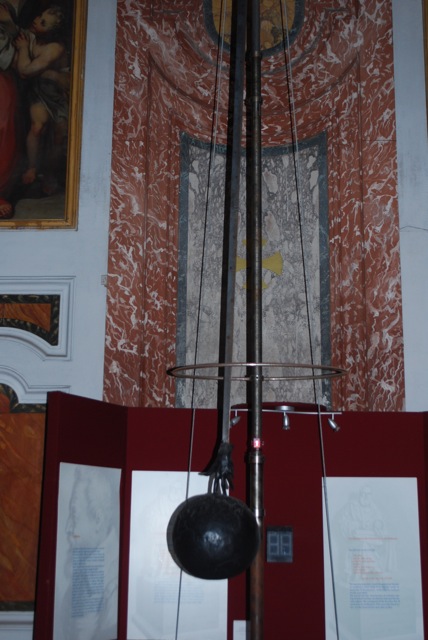
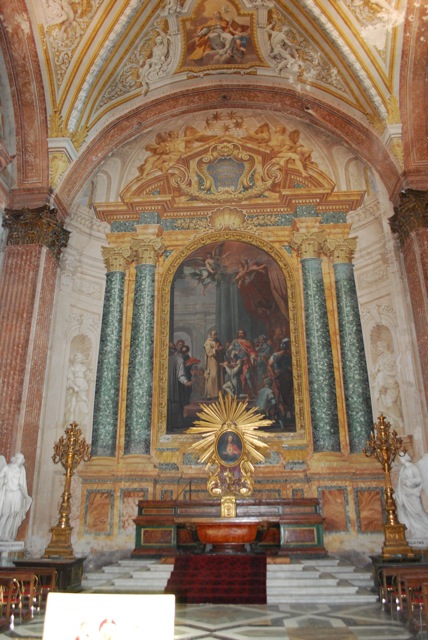
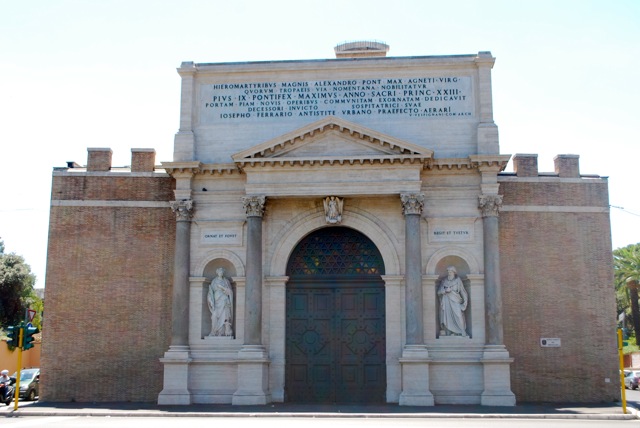
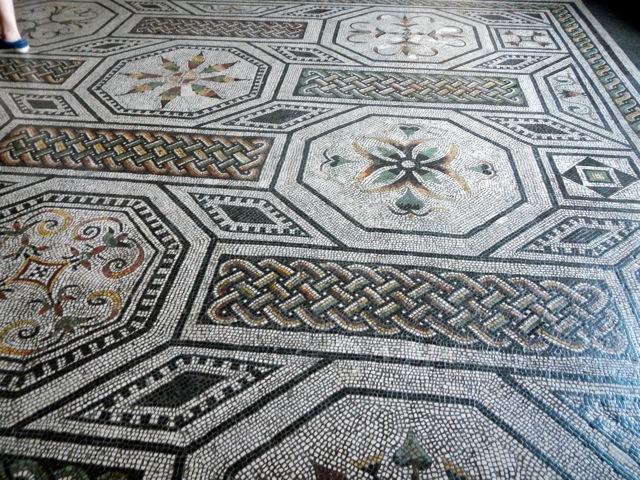
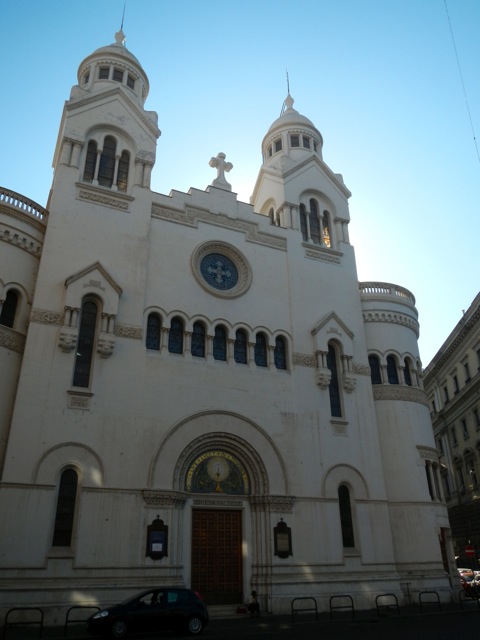
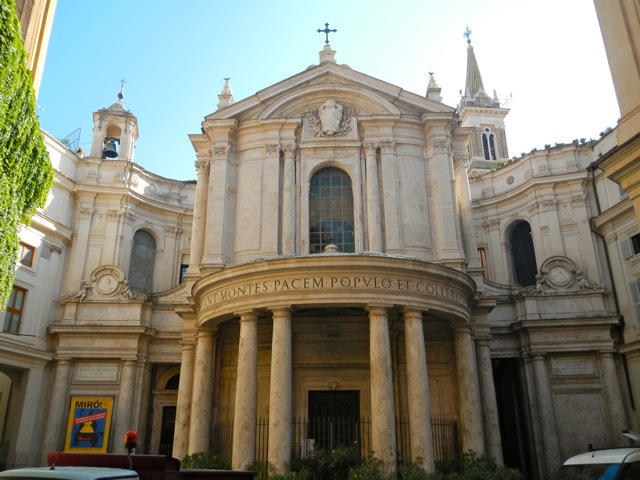
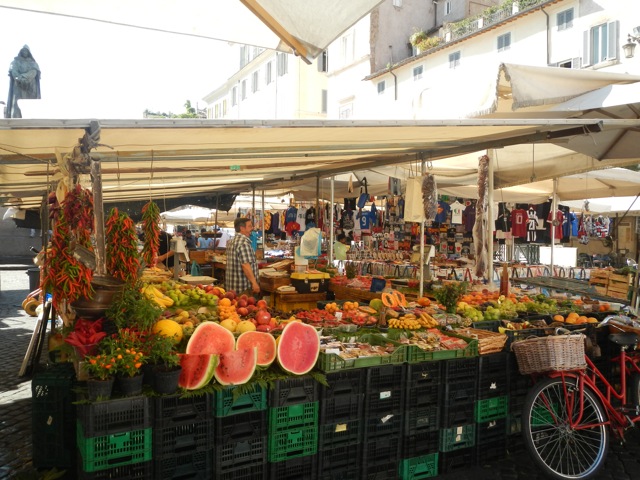
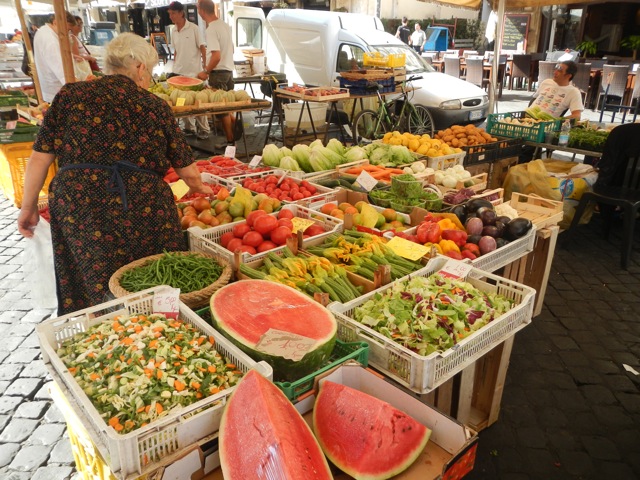
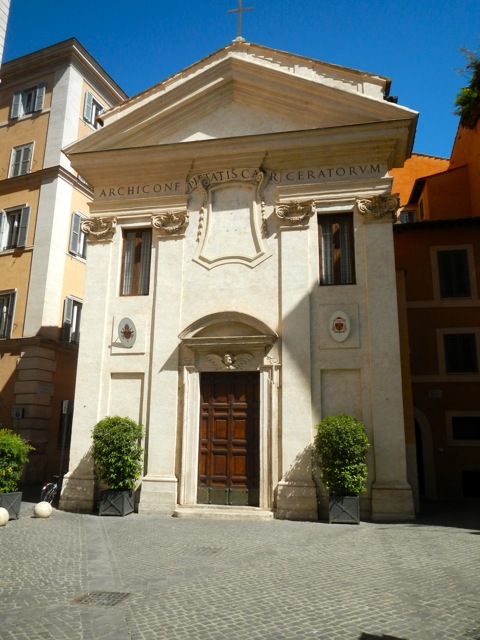
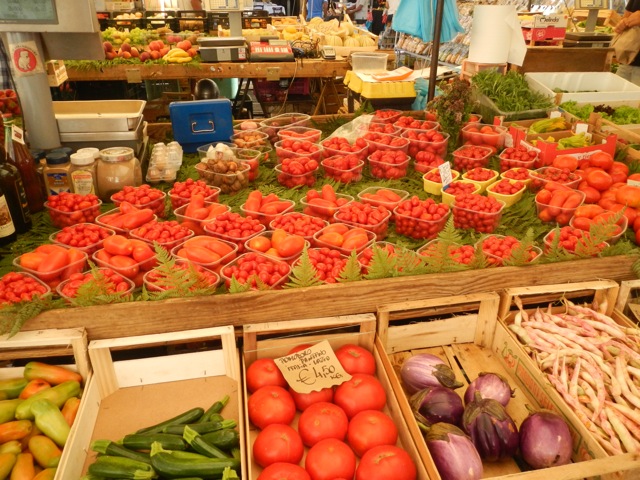
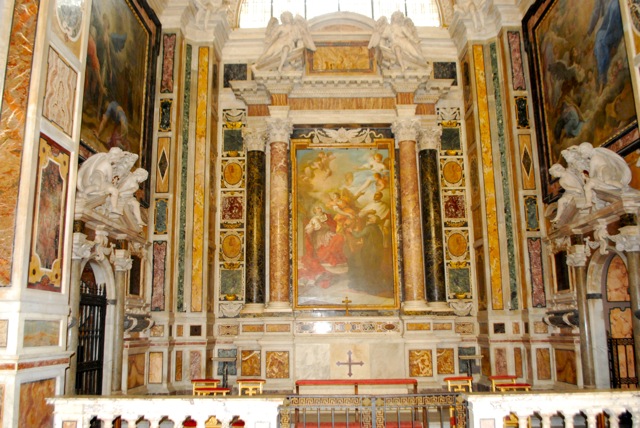
Basilica Sant Maria degli Angeli e dei Martiri (The Basilica of St. Mary of the Angels and the Martyrs) has incredible history with current significance (we encourage you to research it further).  Designed by Michelangelo, it was built inside the Roman walls of the Baths of Diocletian. Dedicated to the Virgin Mary, the angels and the Christian slaves who died building the baths that began in 1563, as well as a personal monument of Pope Pius IV. It also houses the Meridian Line designed by Francesco Bianchini.  We could not get a good shot of the line (how it was designed is fascinating), but this is one of the marble inlays in the floor.Somewhere along our walking we ventured through a colorful market.The Porta Pia is a gate in the Aurelian Walls of Rome designed by Michelangelo and began in 1561.The Santa Maria in Via Lata,
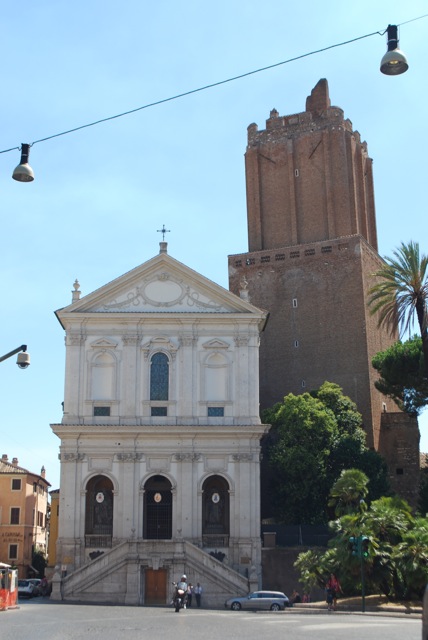
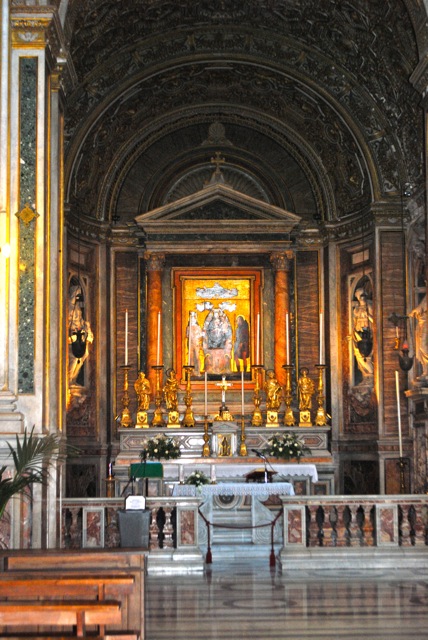
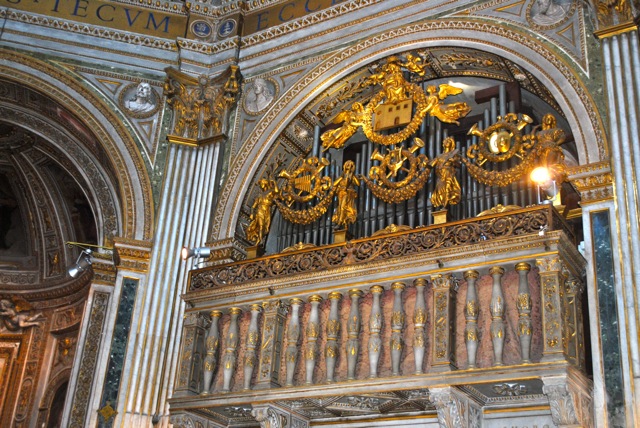
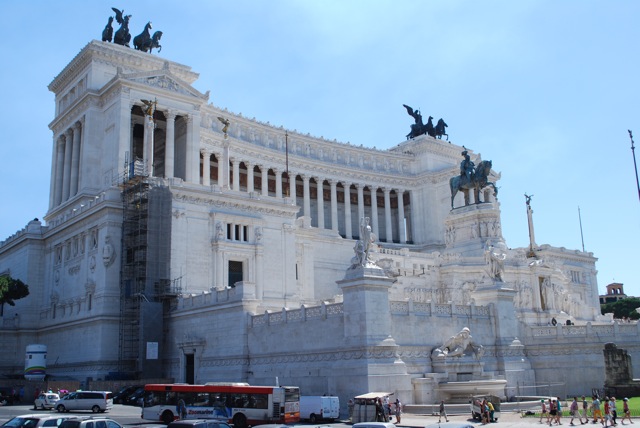
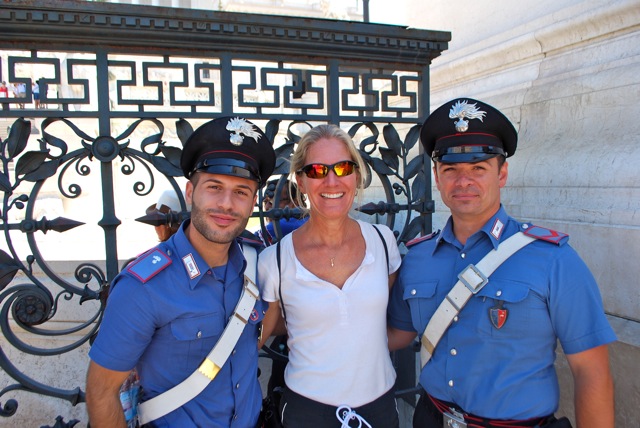
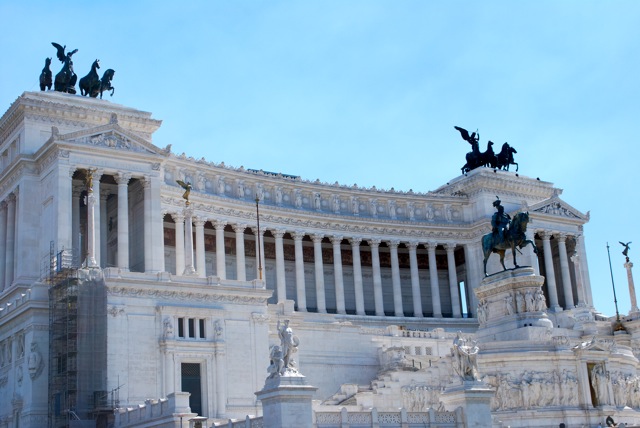
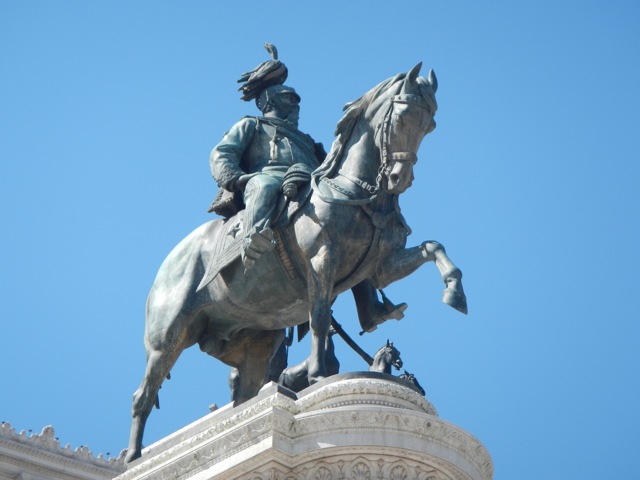
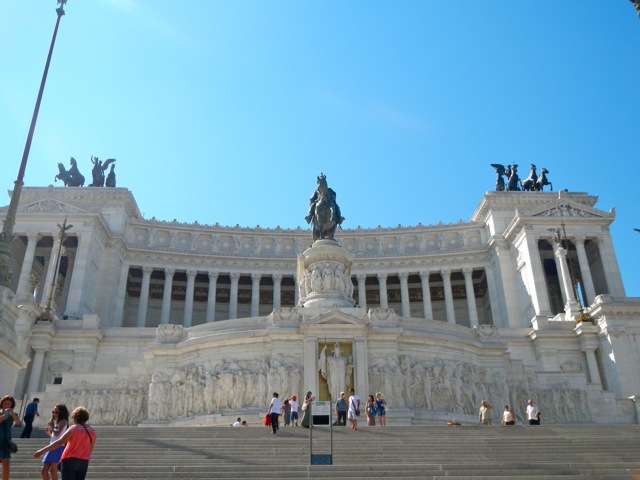
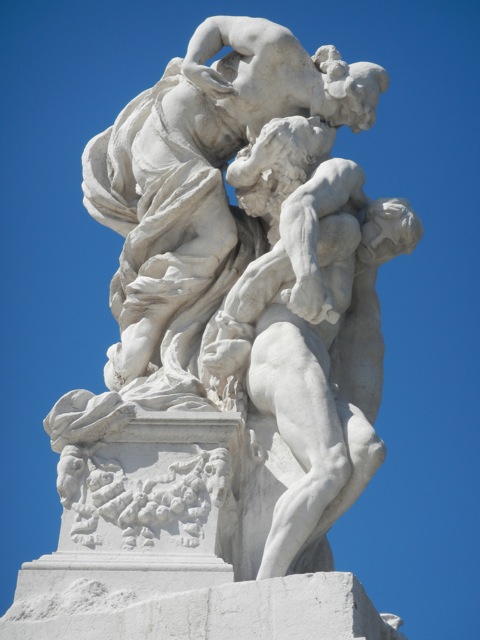
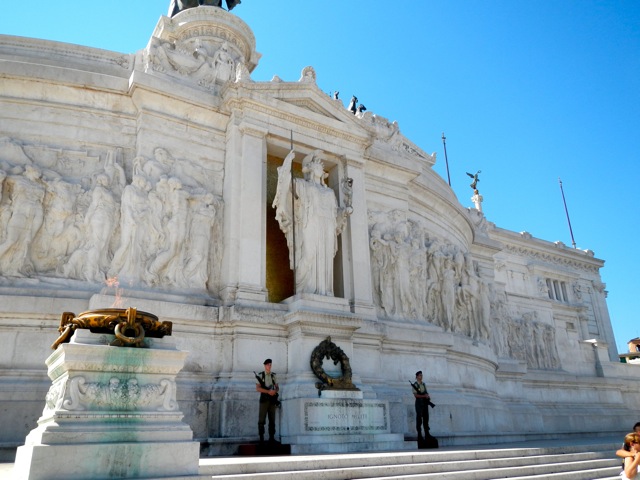
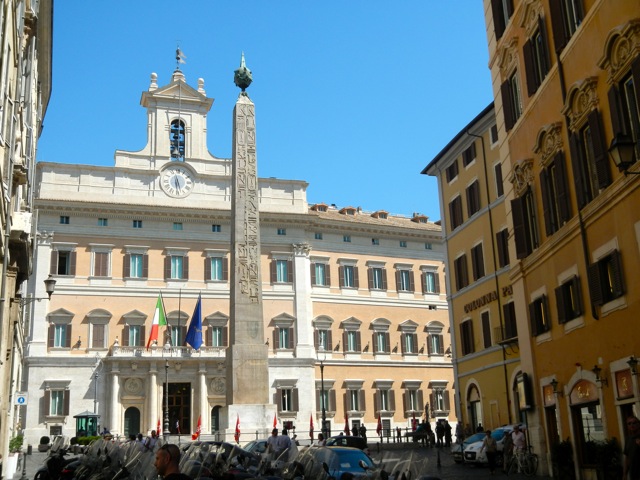
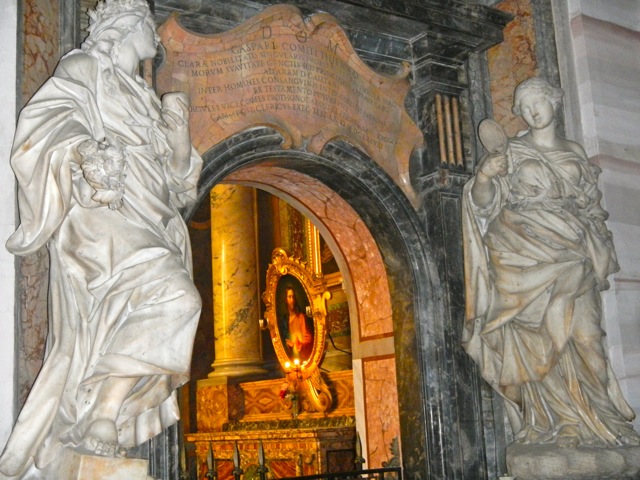
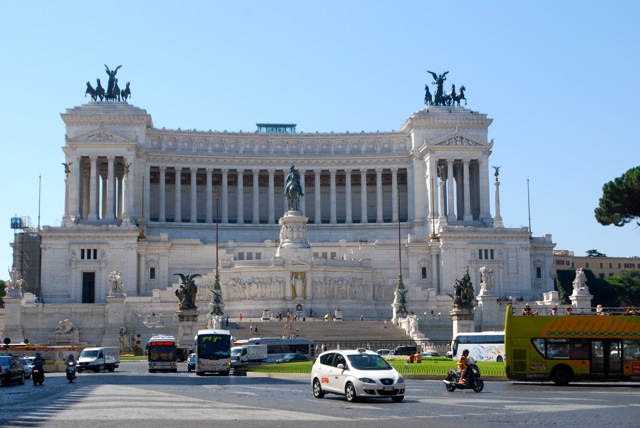
quite ornate inside.The Monumento Nazionale a Vittorio Emanuele II (National Monument to Victor Emmanuel II) or Altare della Patria (Altar of the Fatherland) or “Il Vittoriano” is a monument built to honor Victor Emmanuel, the first king of a unified Italy, designed in 1885.  We thought it was fascinating, but it has come under much criticism (politics!). Tried to get arrested, but apparently didn’t work (sorry luck, eh?).

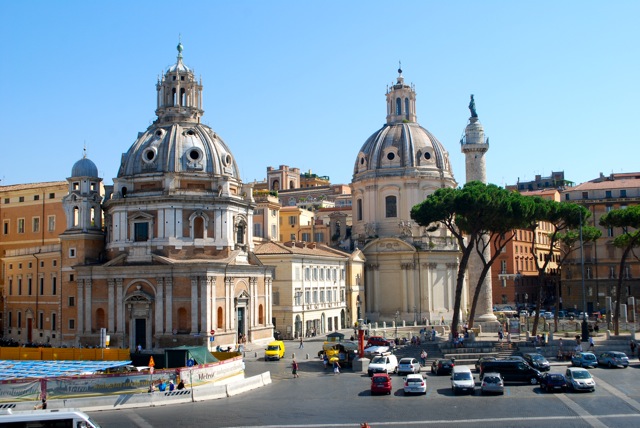
The Piazza Veneziawhich faces the monument.  More touring to come.

Rome – Vatican City

Thursday 2 August 2012

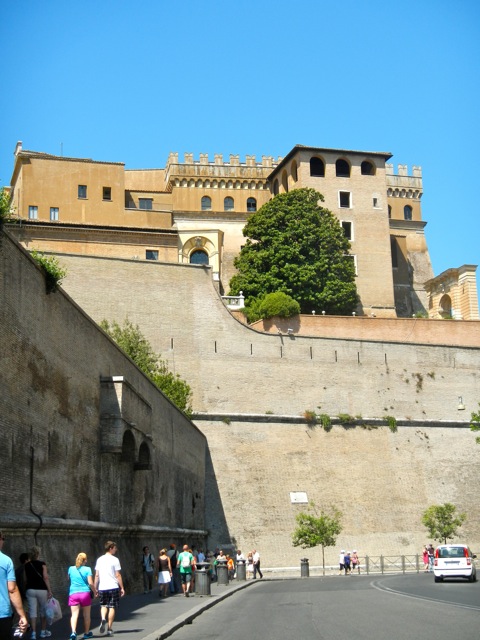
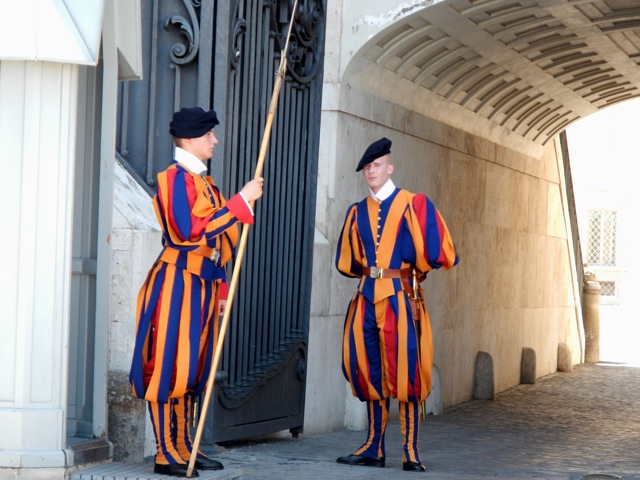
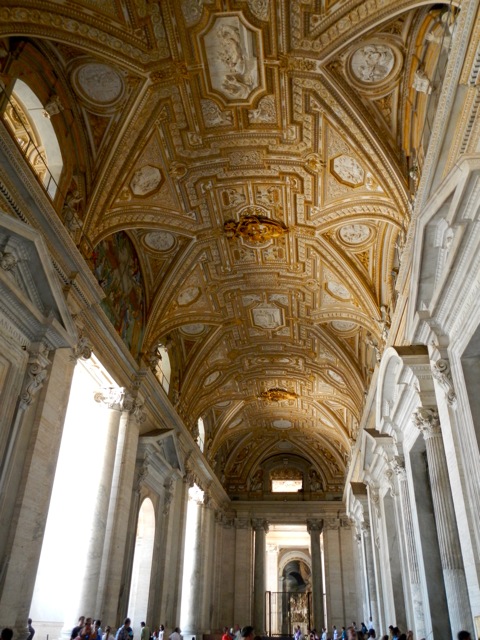
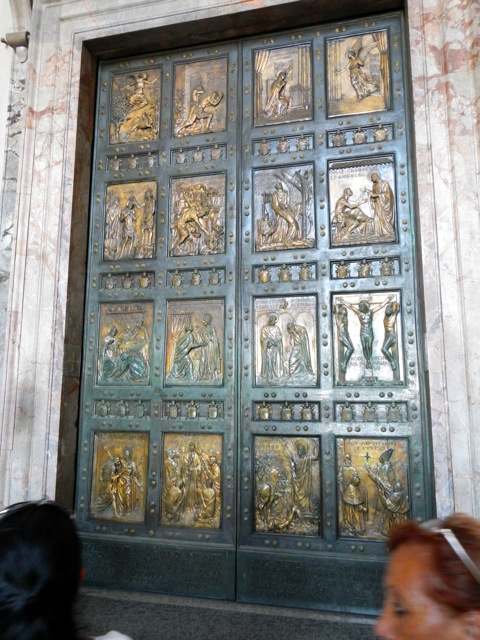
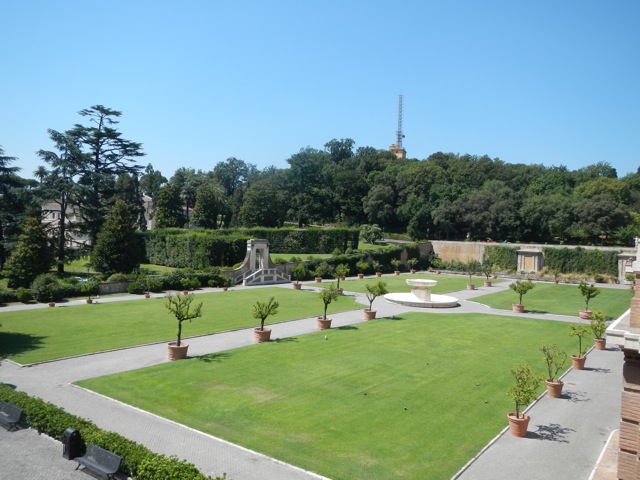
The smallest independent state in the world is beyond belief and impossible to comprehend, much less describe.After entering through gates

of a very tall wall, we visited the three most famous parts of the city (Vatican Museum, Sistine Chapel and St. Peter’s Basicilica), but photography was tough (no flash allowed) and forbidden in the Sistine Chapel; so unfortunately, we cannot show you Michelangelo’s Creation of Adam or any of the 12,000 square feet of ceiling that he painted, nor the phenomenal Last Judgement on the alter wall.

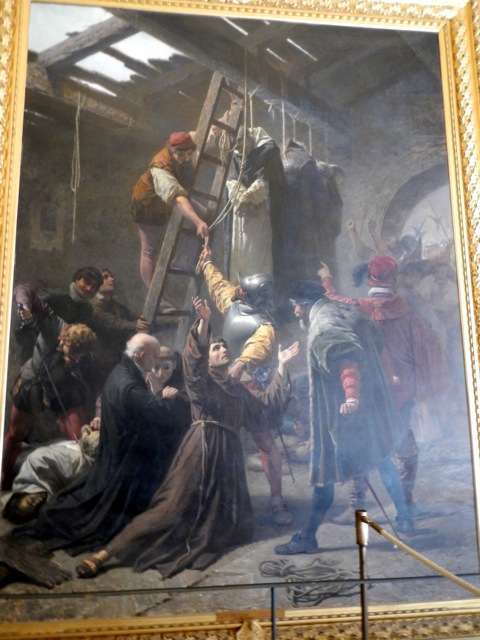
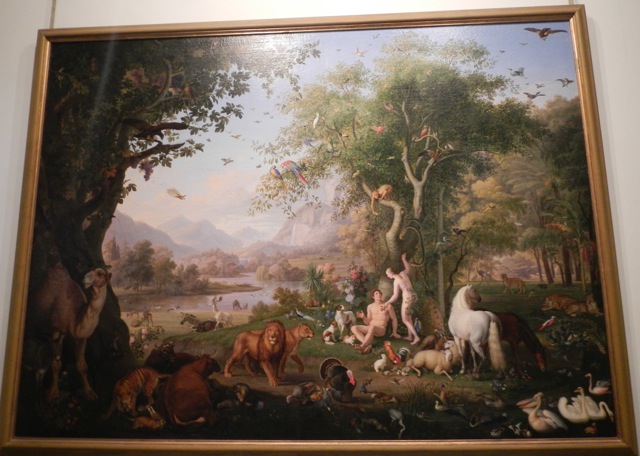
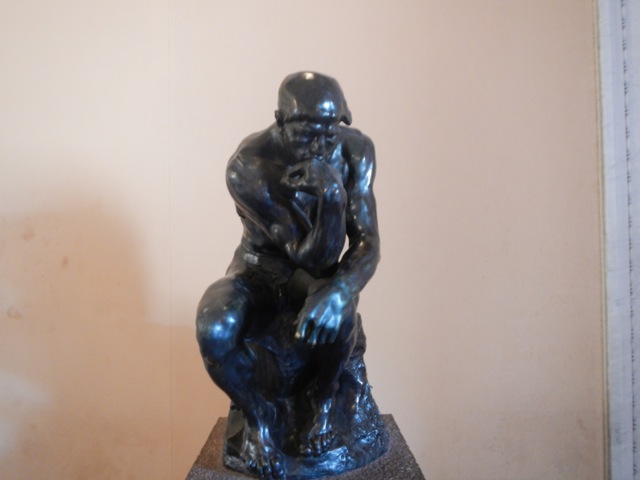
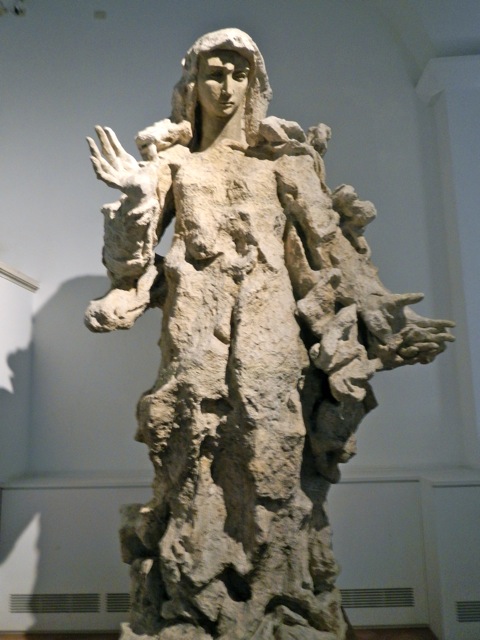
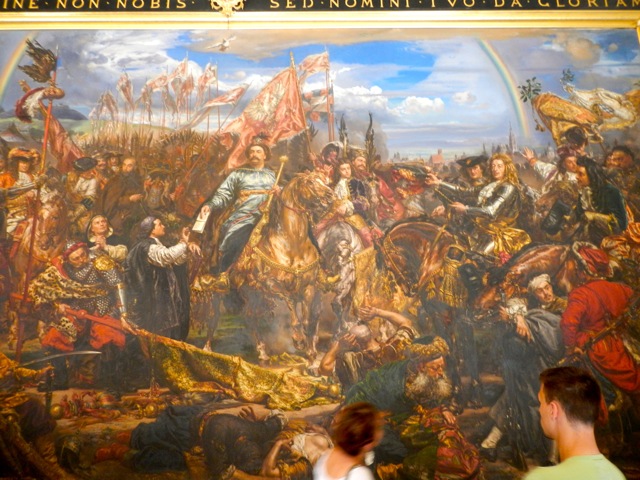
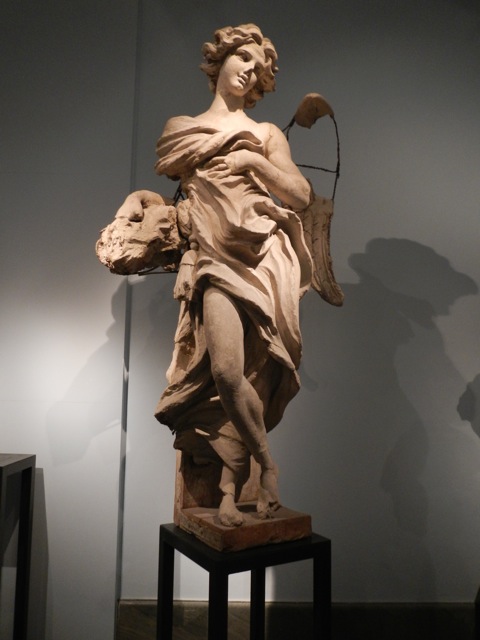
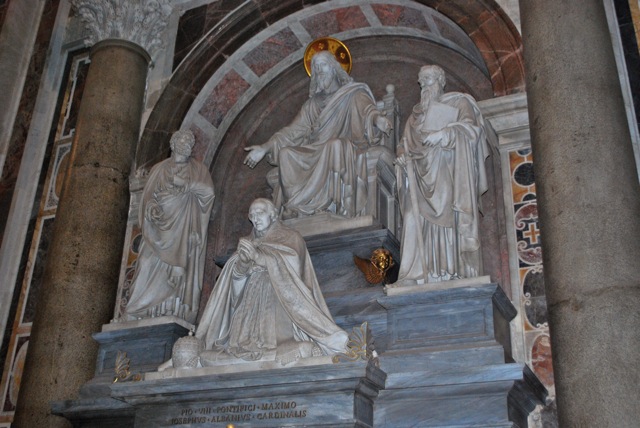
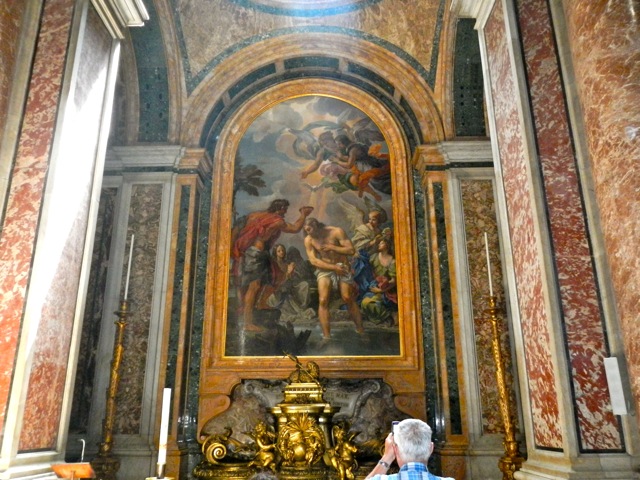
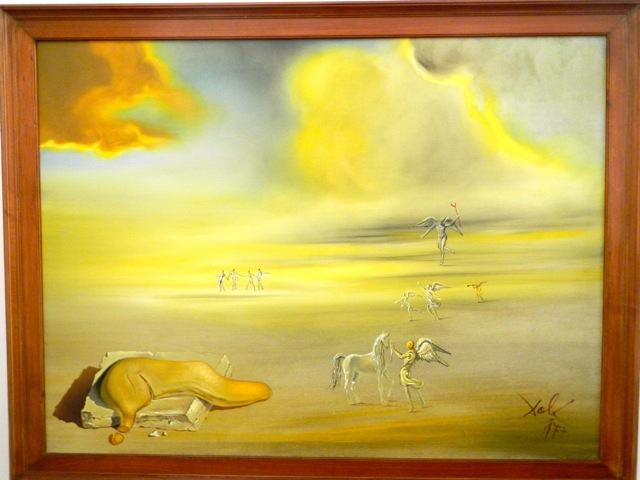
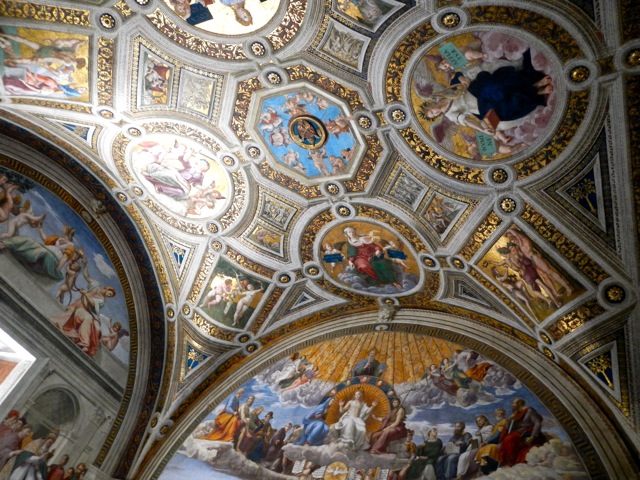
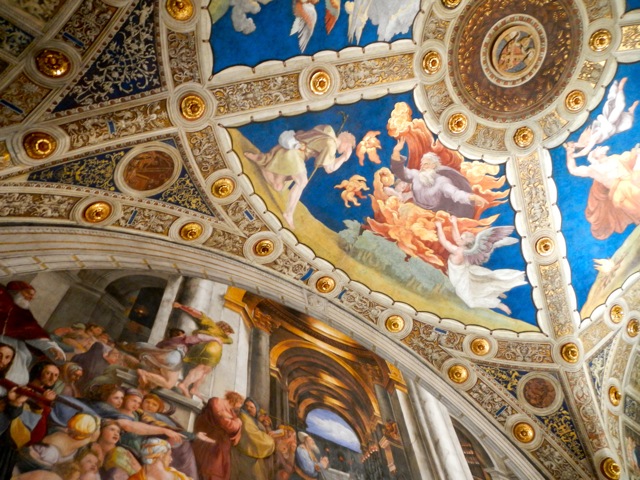
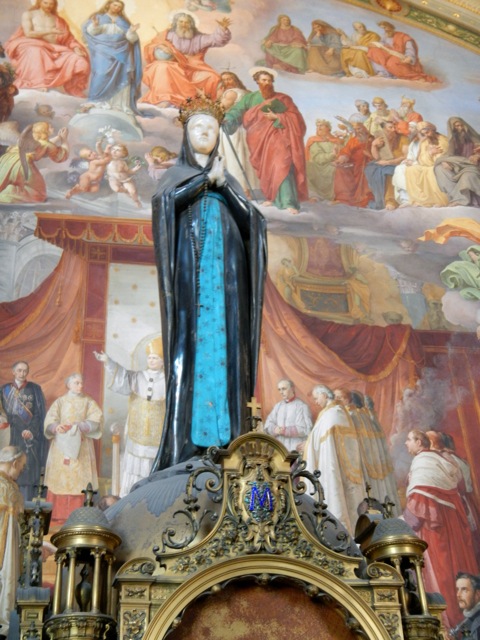
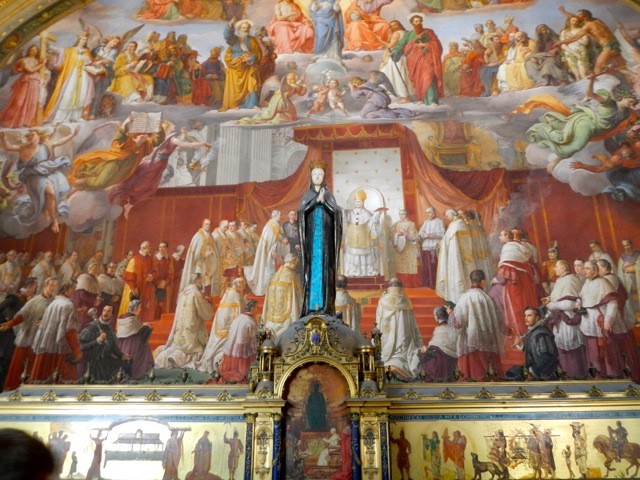
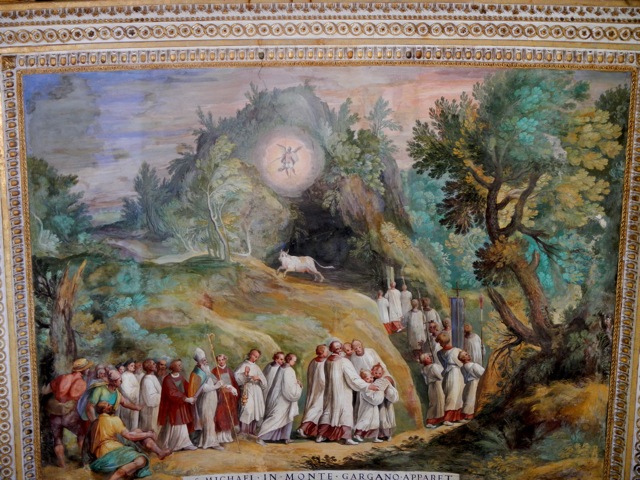
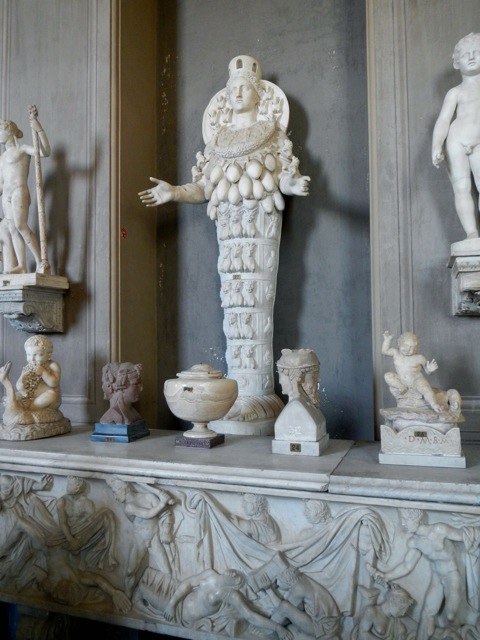
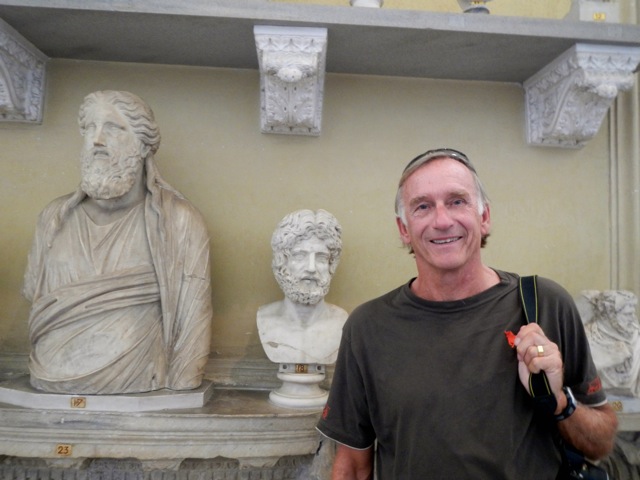
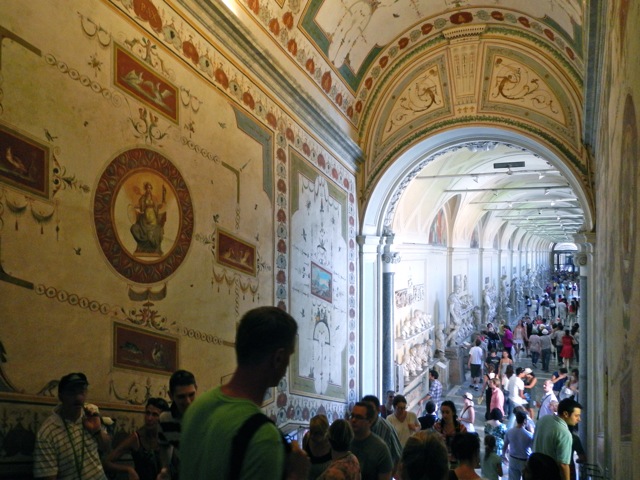
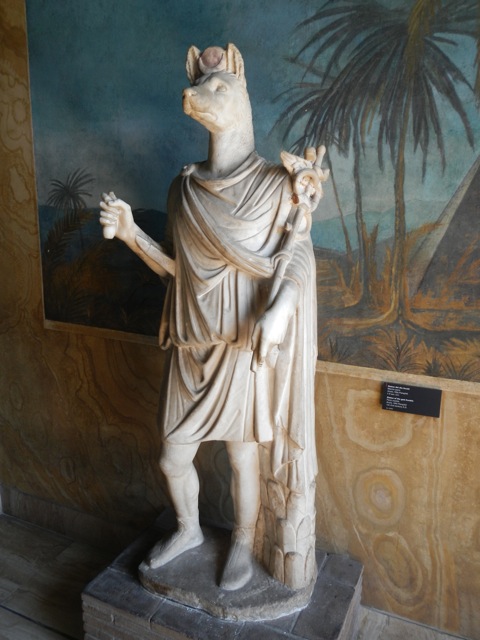
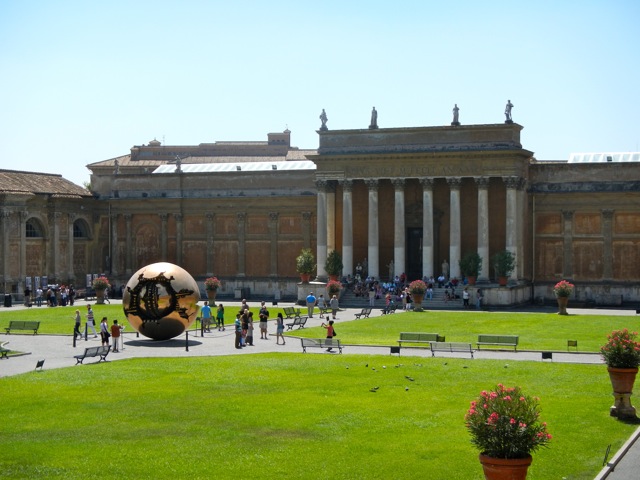
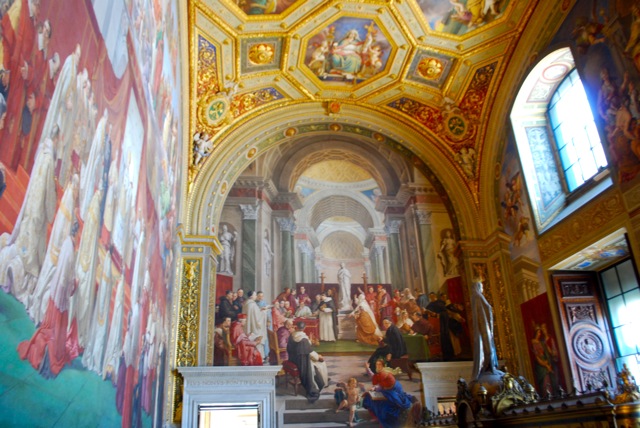
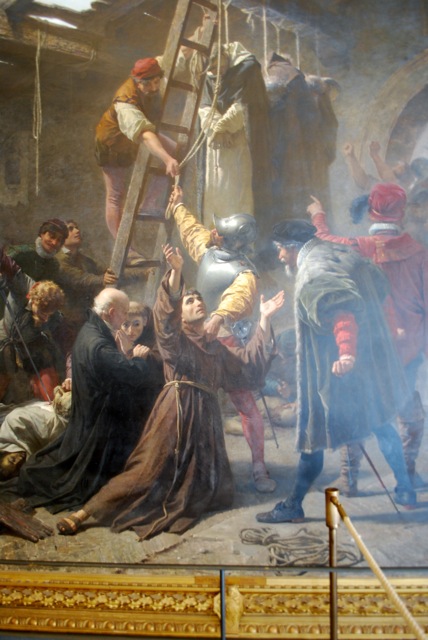
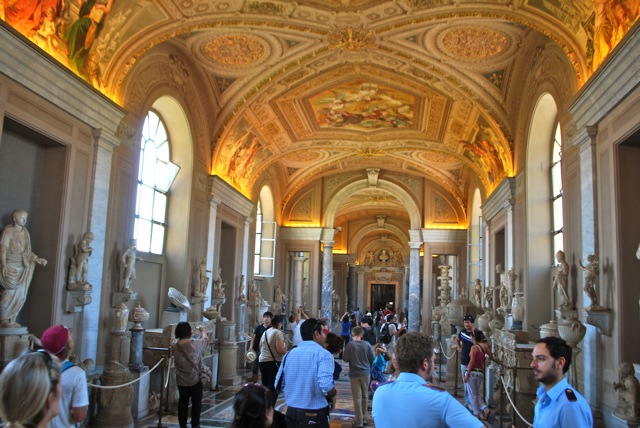
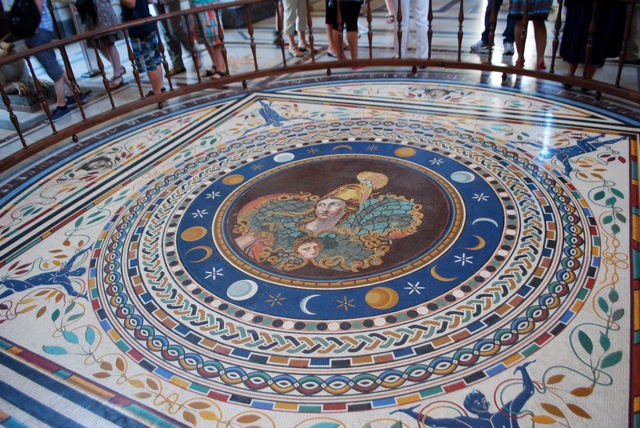
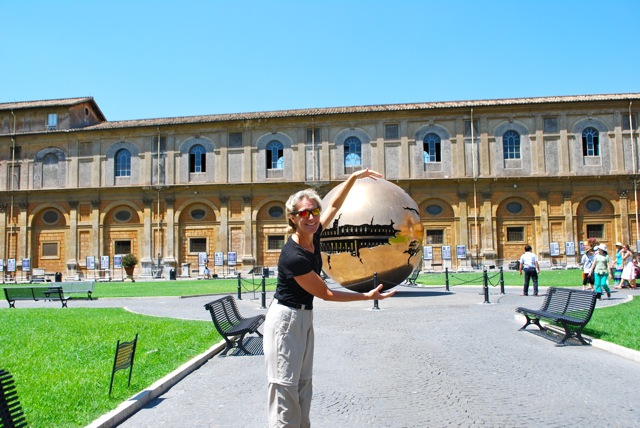
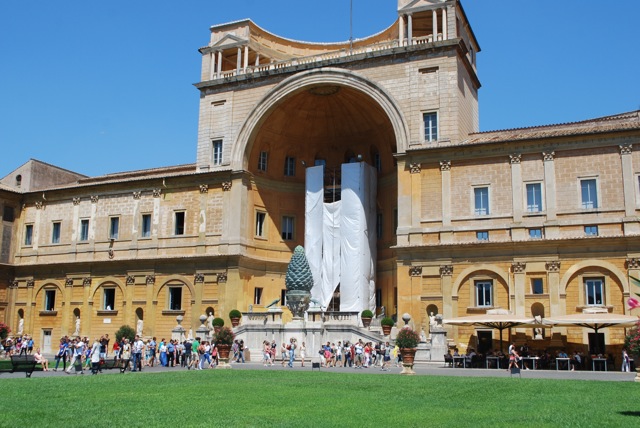
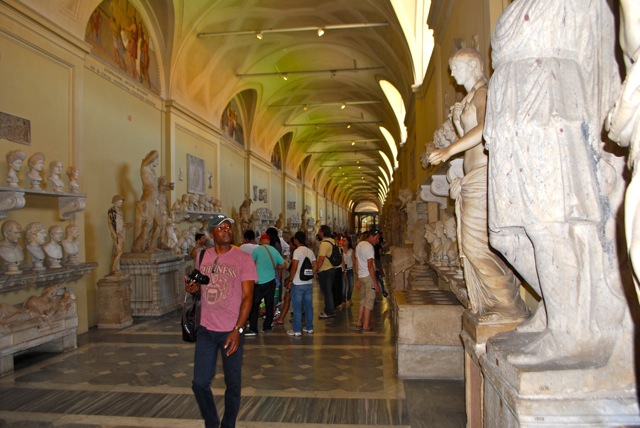
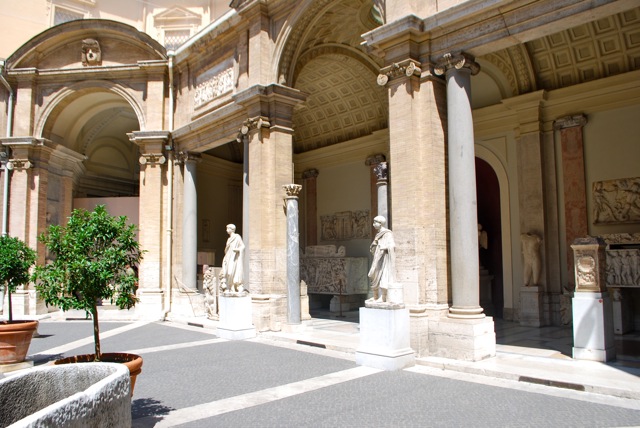
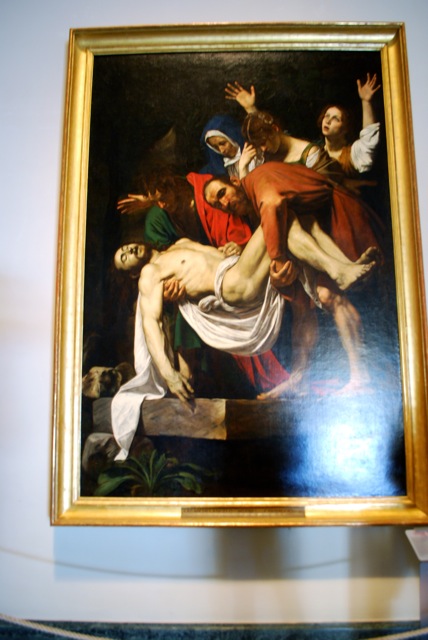
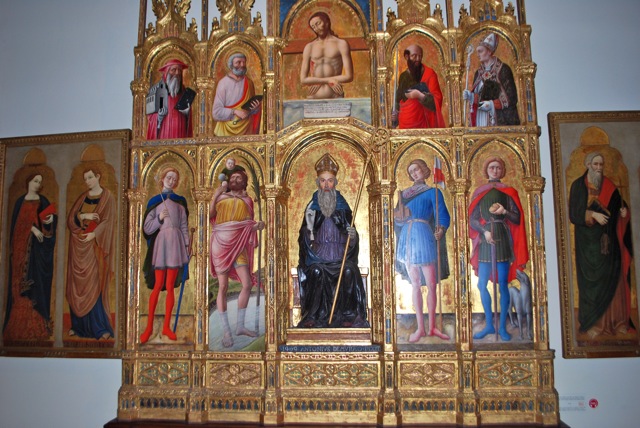
However, the art collection in the The Vatican Museum is immense enough to make you forget what you could not take pictures of, such as Raffaellino del Colle’s Adoration of the Magi.  We did manage a couple good shots of paintingswhich, of course, do not do them justice.Sculptures were easier to photograph, such as Rodin’s The Thinker,Lucio Fontana’s Madonna

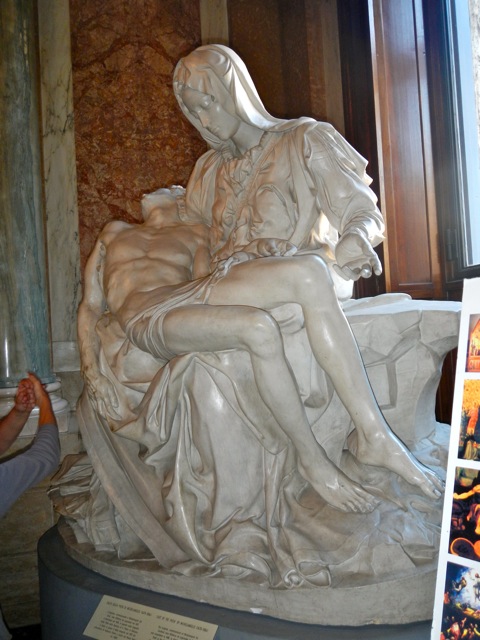
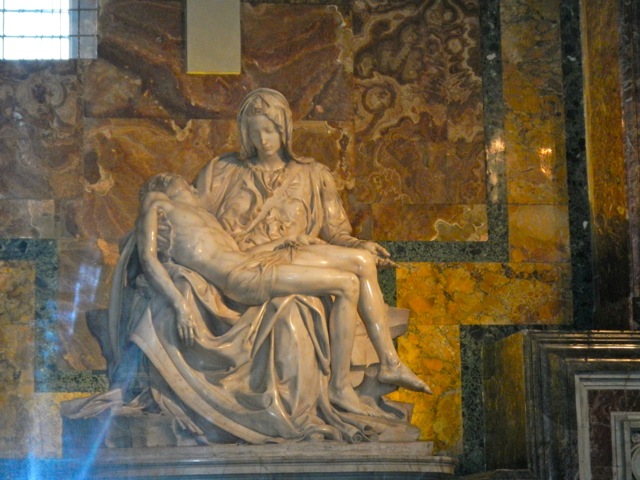
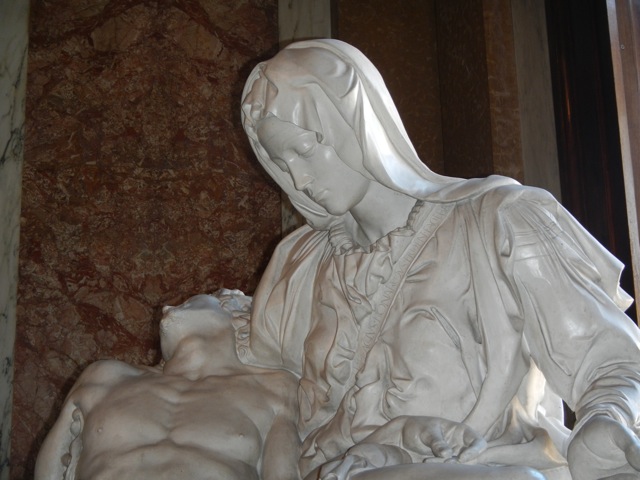
and The Pietá (1498–1499) by Michelangelo, the only piece he ever signed.

Above is a life size model (available to touch for the blind-amazing) of the original in the Basilica.

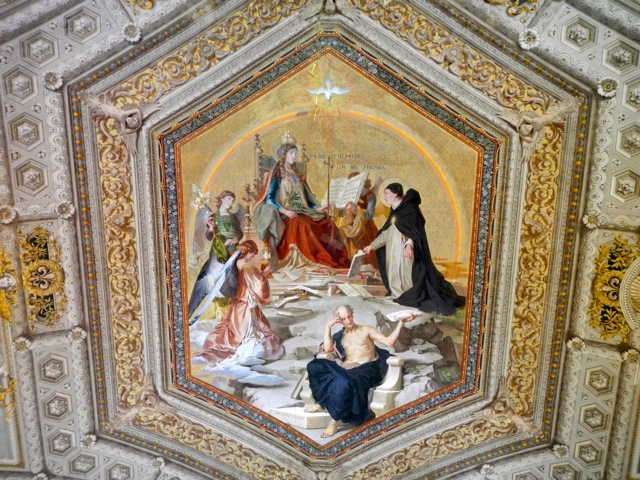
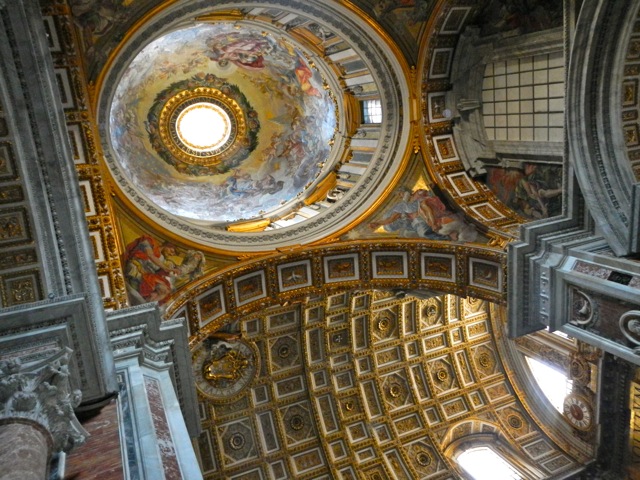
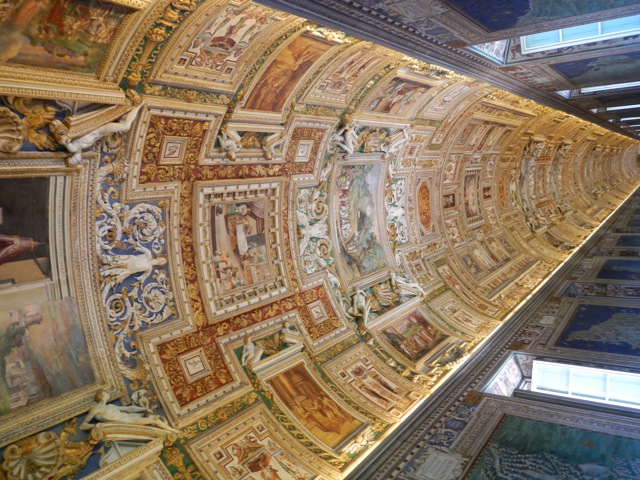
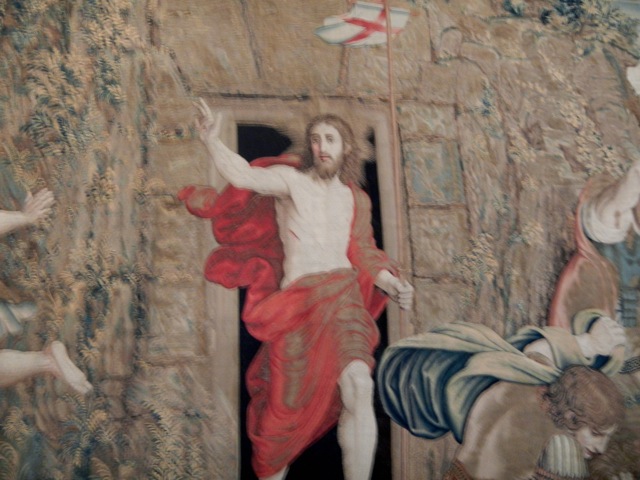
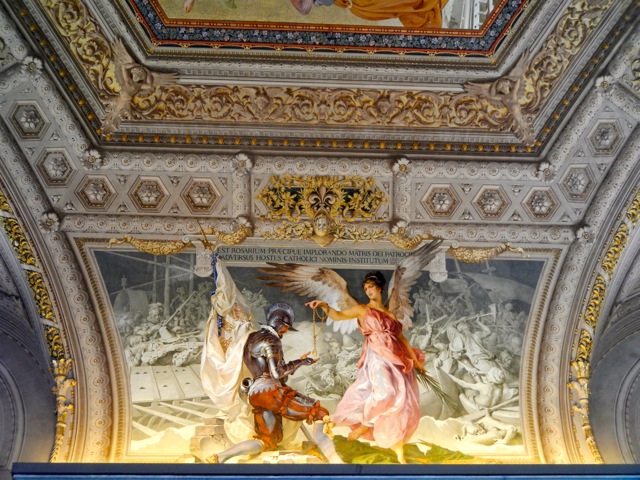
Tapestries,floorsand ceilings were amazing and huge.

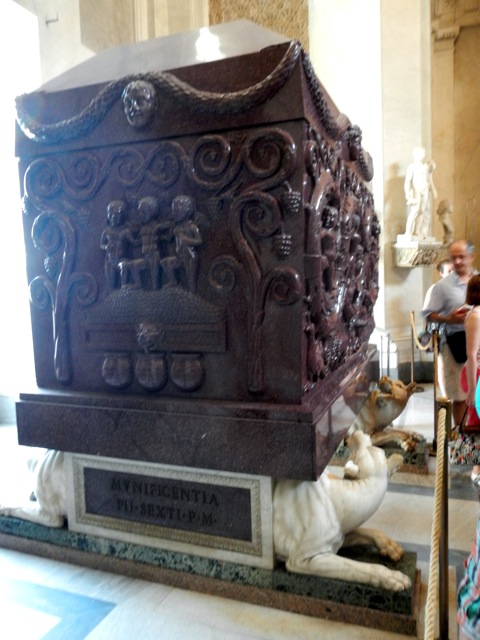
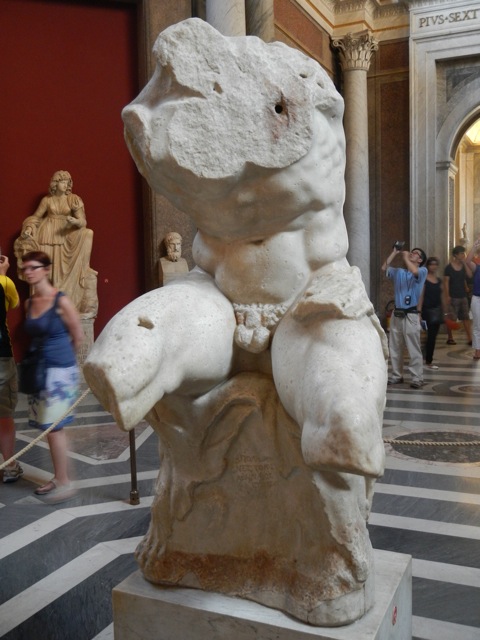
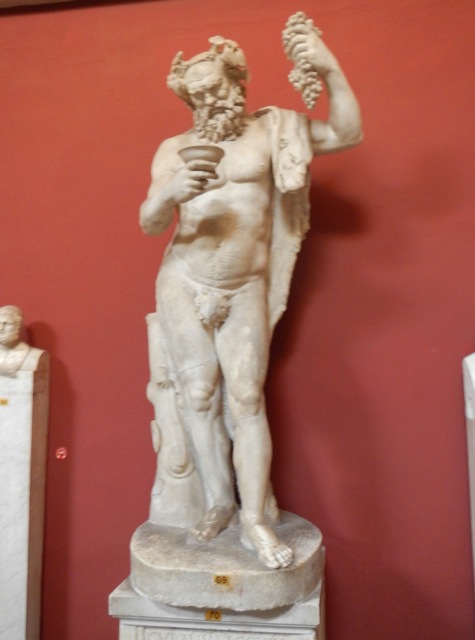
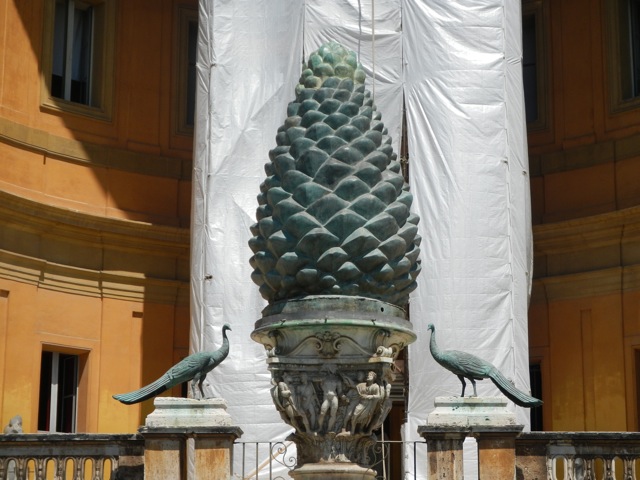
This is the model for the bronze statue in the Basilica.Too many famous works to name, but a few more are in the gallery below.

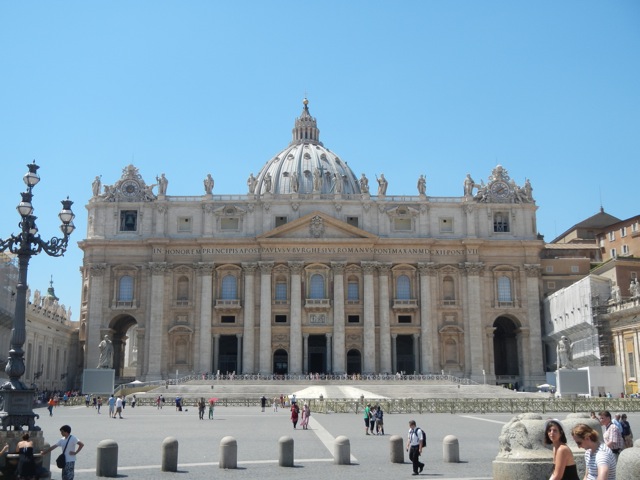
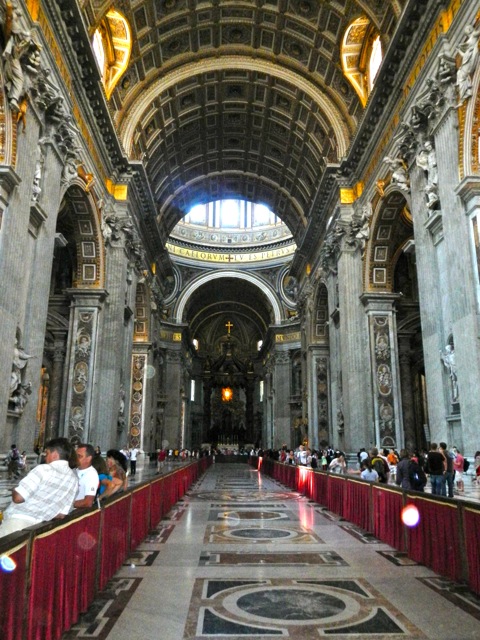
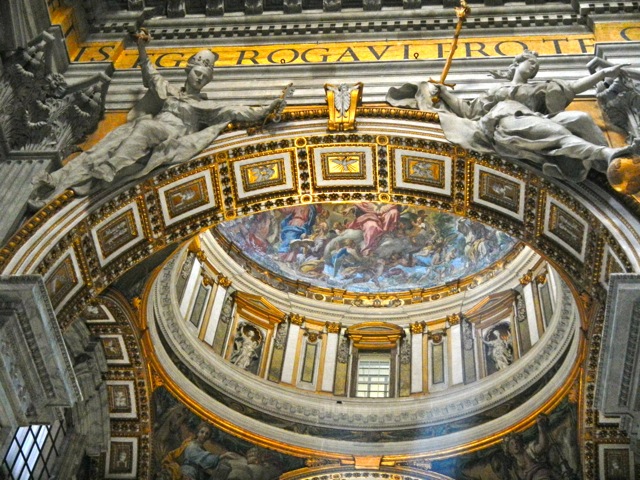
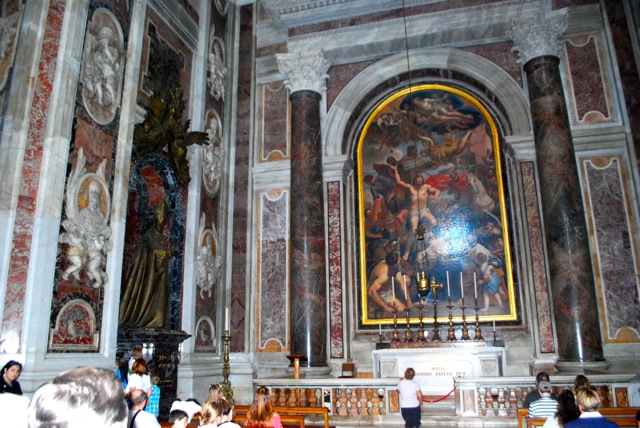
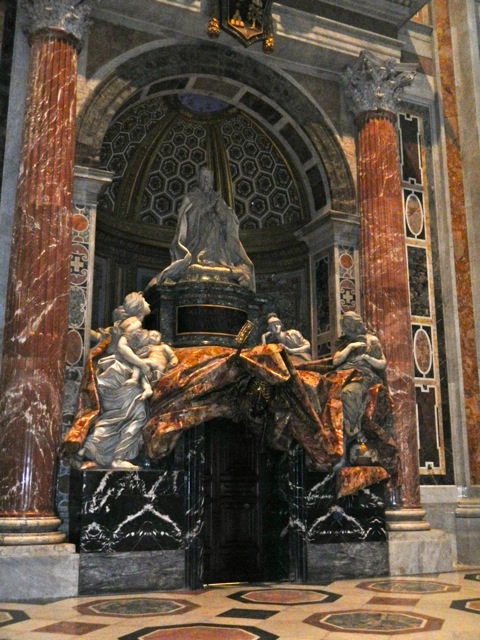
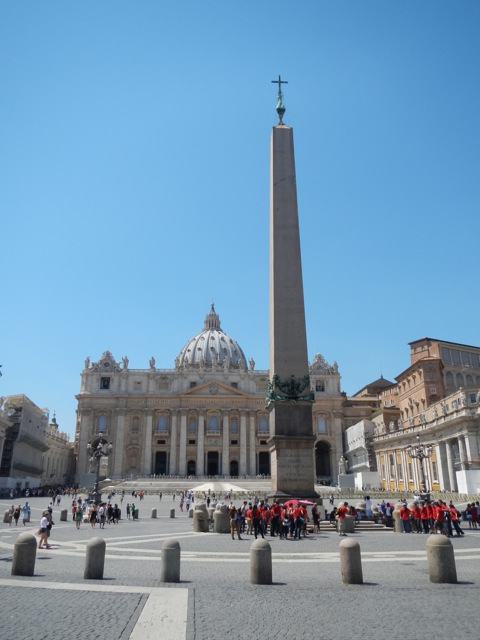
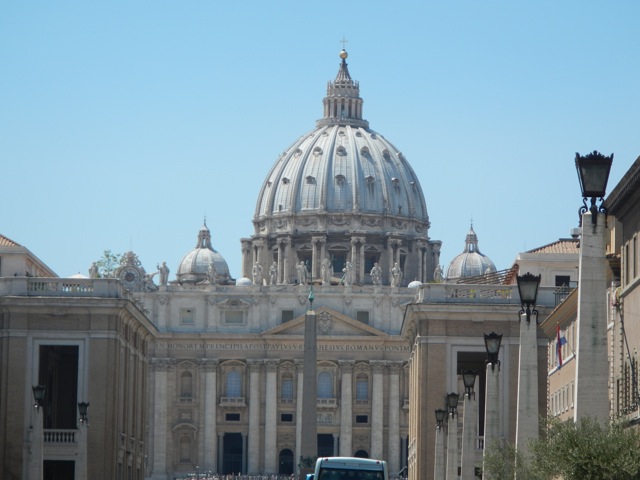
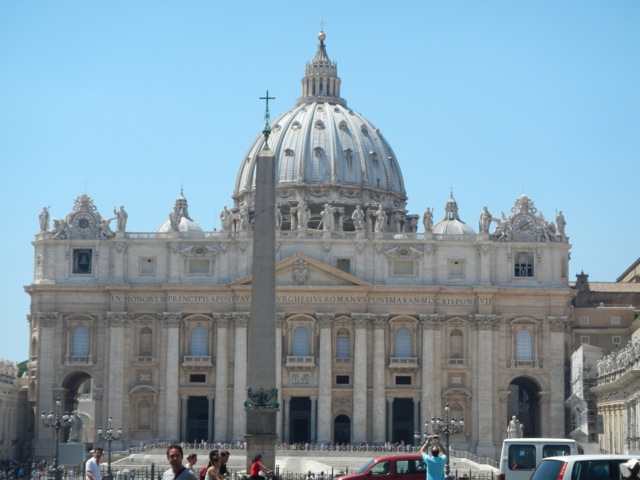
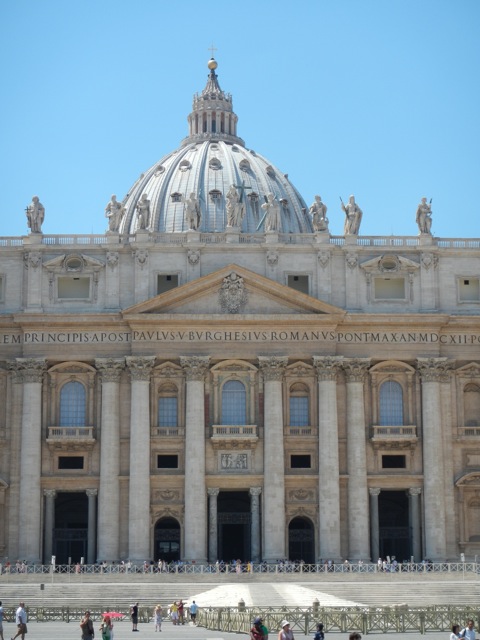
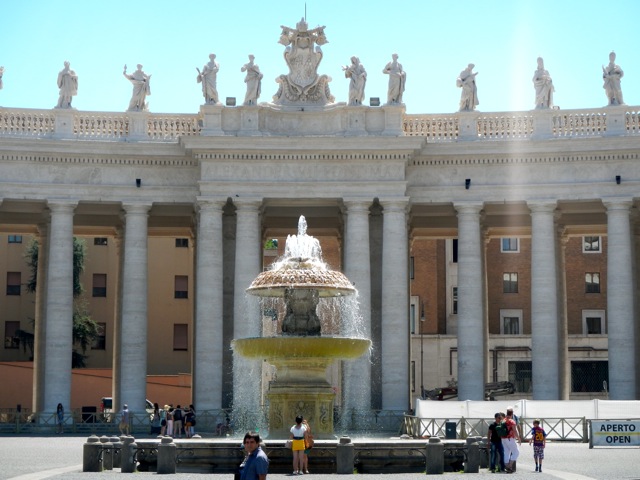
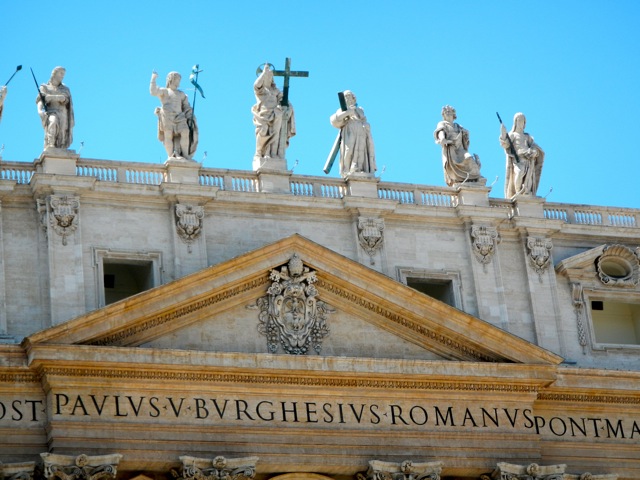
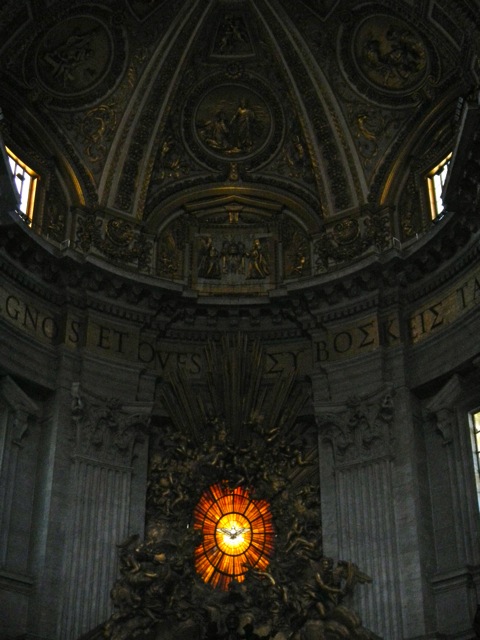
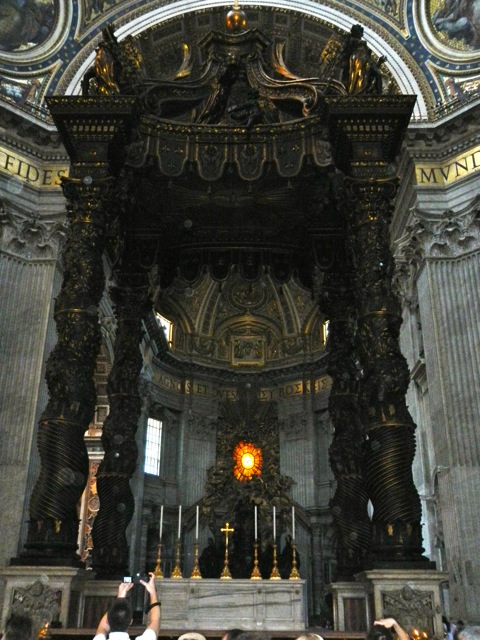
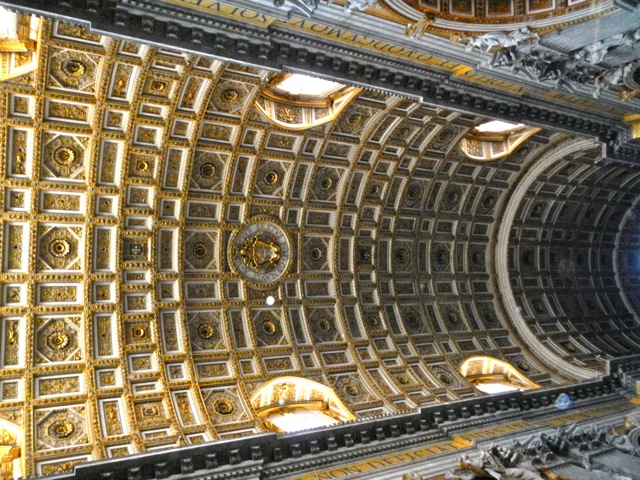
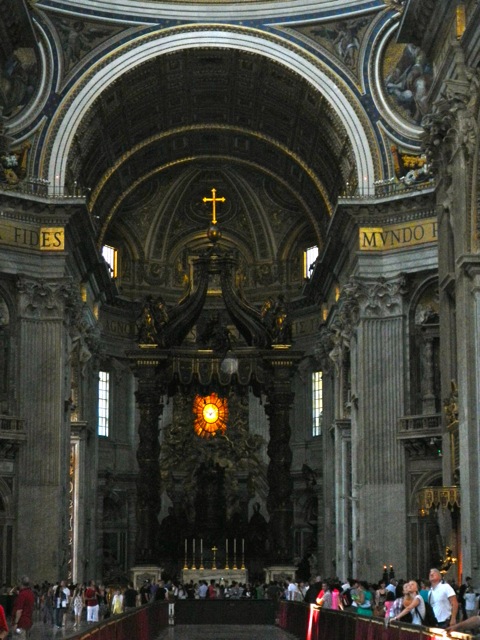
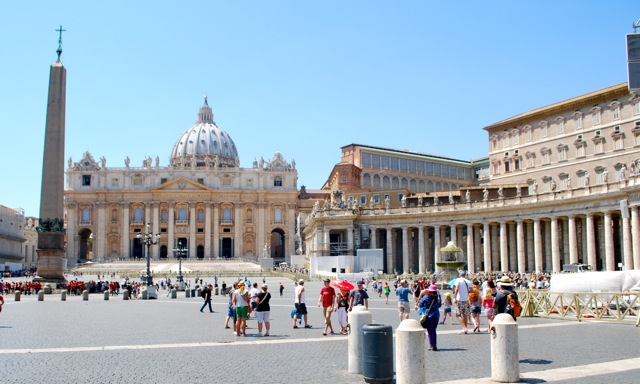
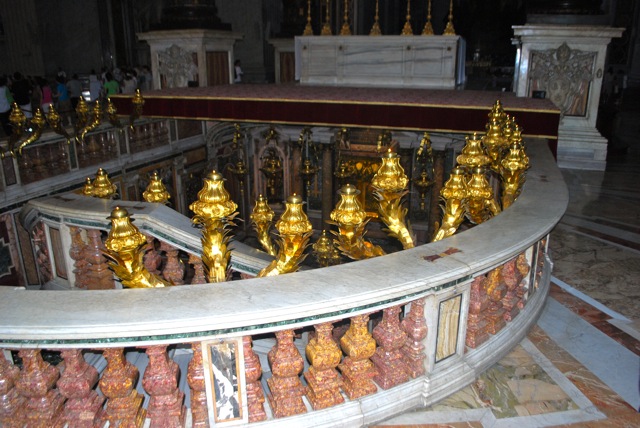
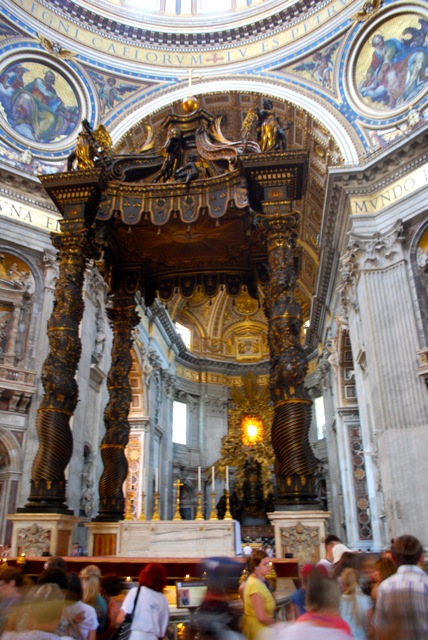
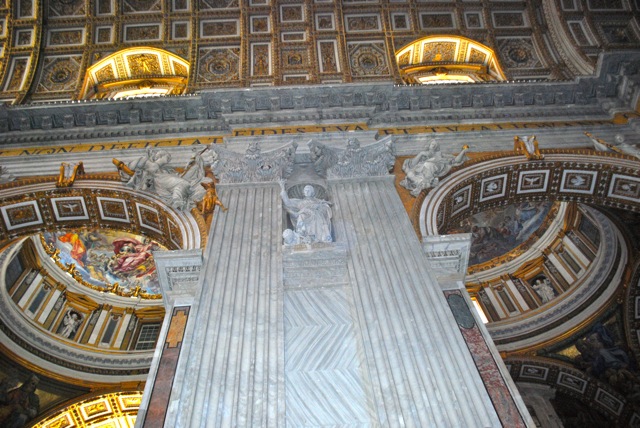
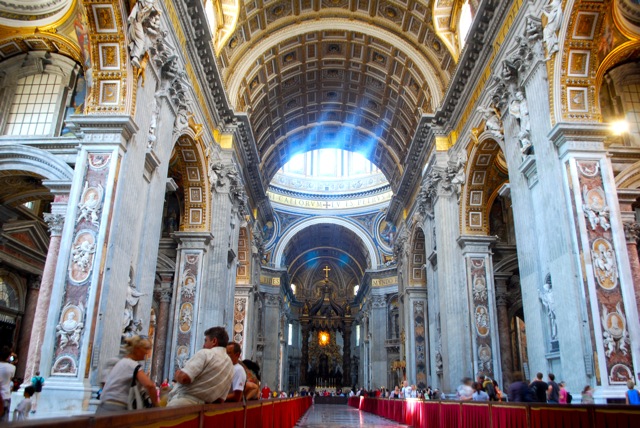
The Papal Basilica of Saint Peter (Saint Peter’s Basilicahas the largest interior of any Christian church in the World. While it is neither the ‘Mother Church’ of the Roman Catholic Church nor the Cathedral of the Bishop of Rome; it IS regarded as one of the Holiest Catholic sites and the greatest of all Churches of Christendom….we can see why.It was bizarre to walk the plaza where people gather to see the Pope (part of his security) on his public appearance in the square.  It was an incredible experience to be here!


Rome Tour V

Friday 3 August 2012

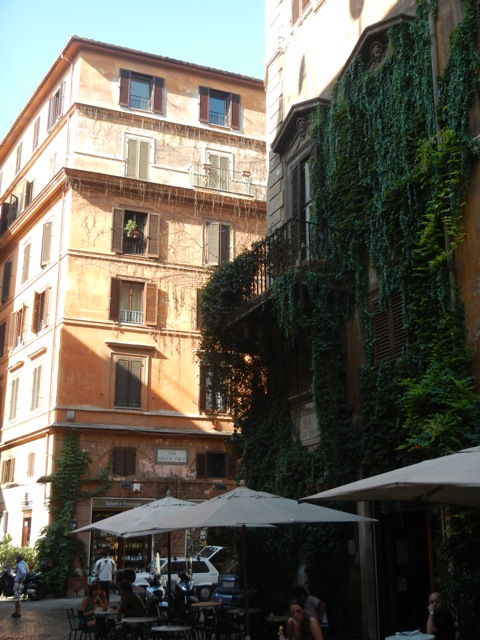
Our last day in Rome (and it’s a long post)!  We strolled the beautiufl streets to take just a few more (gazillion) pictures and see a few new sights which are inevitably around every cornerand every rooftop.

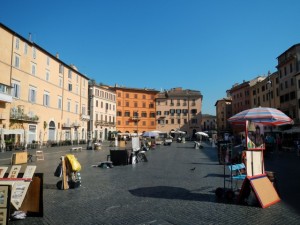
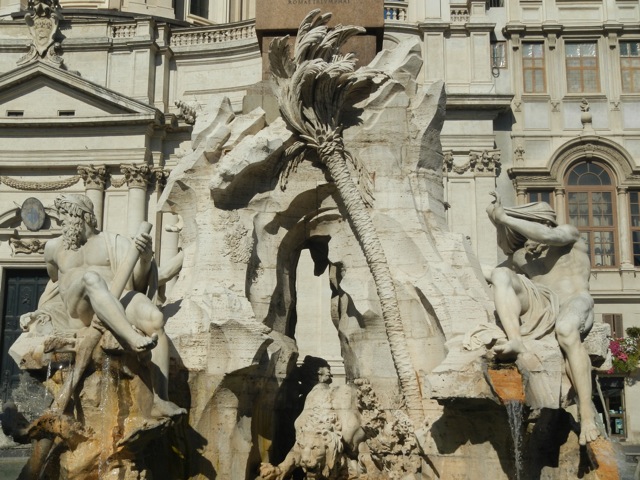
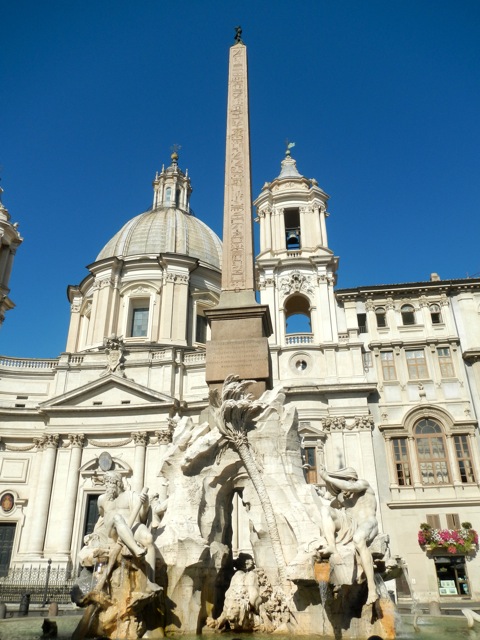
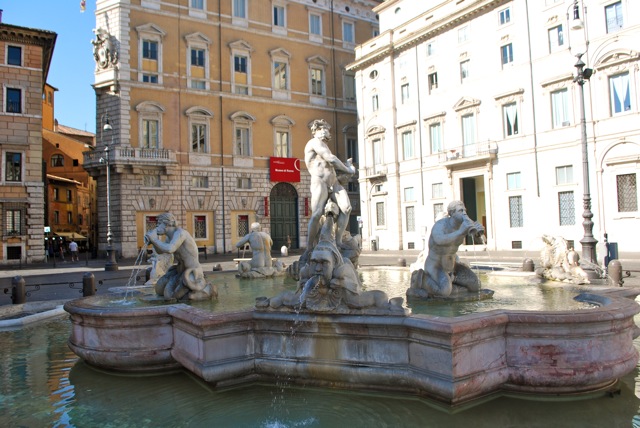
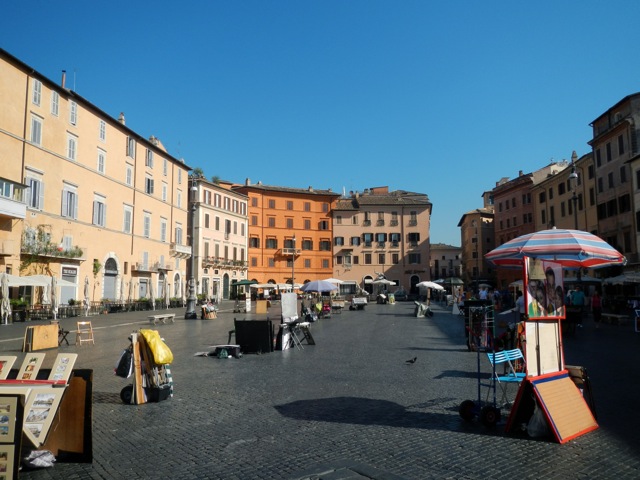
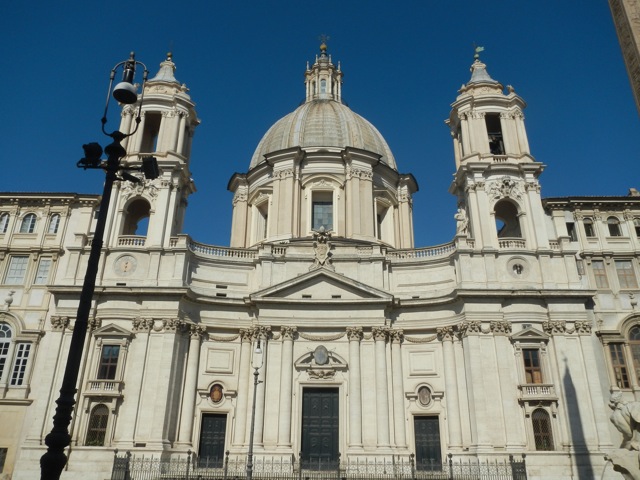
Piazza Navona, a public space that became popular in the late 15th century,

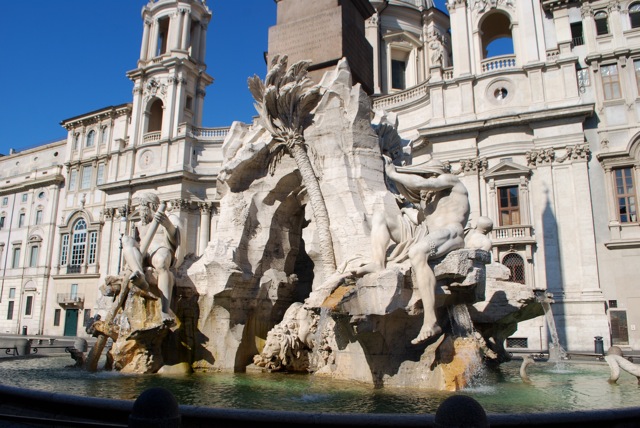
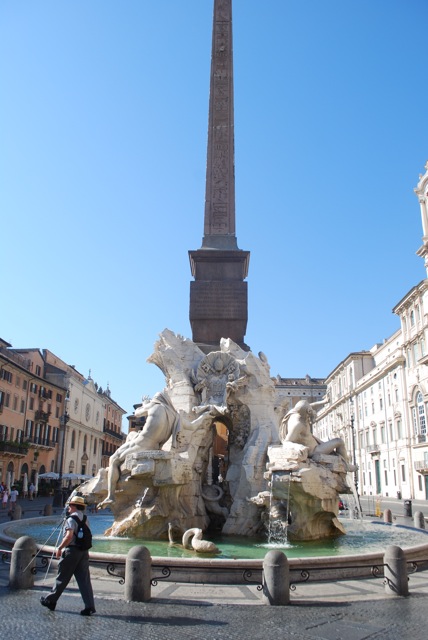
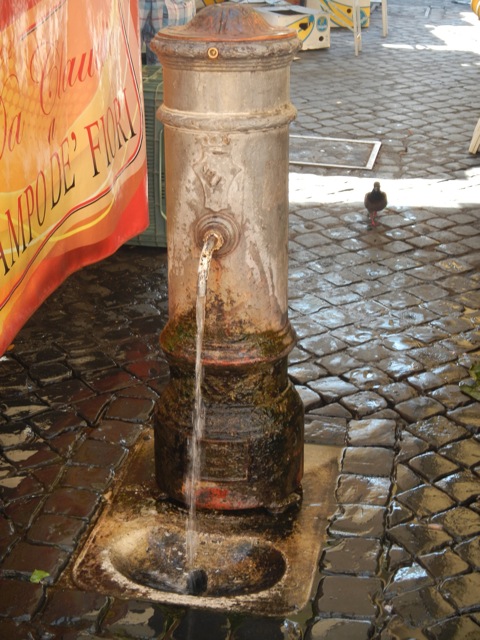
and where the pontificate of Innocent X built his family palace, Palazzo Pamphilj,in the mid 1600’s.  It now houses the Brazilian Embassy.  In the center of the square, stands the Fontana dei Quattro Fiumi (Fountain of the Four Rivers, 1651).As we continue our stroll, we enjoy the daily workings of the city, that don’t necessarily draw the tourist, but give an unmistakably flavorand character to the country, such as the clean running water found throughout the country.
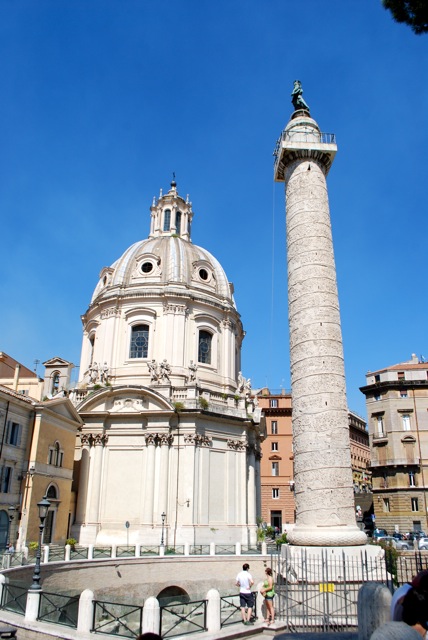
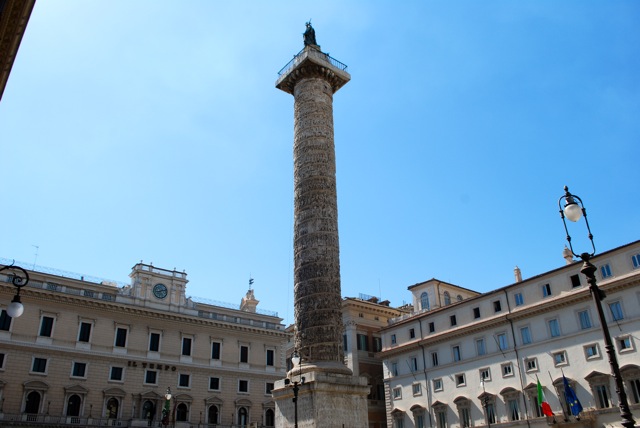
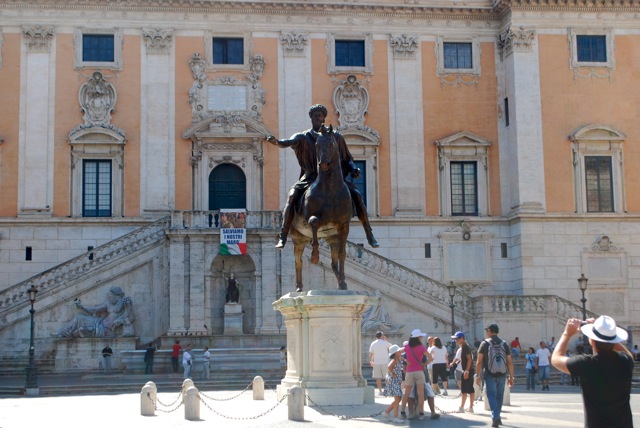
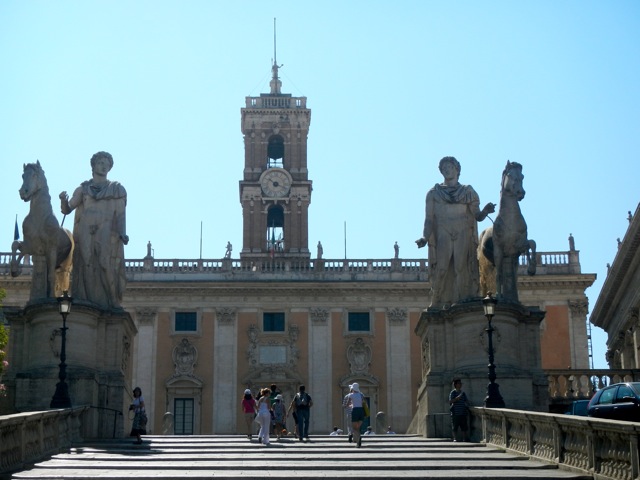
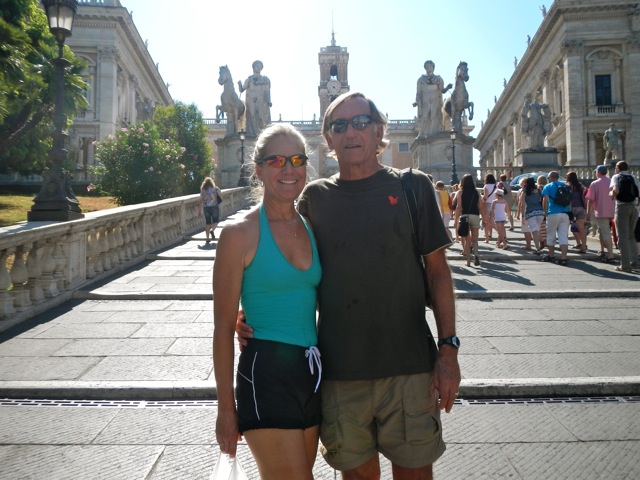
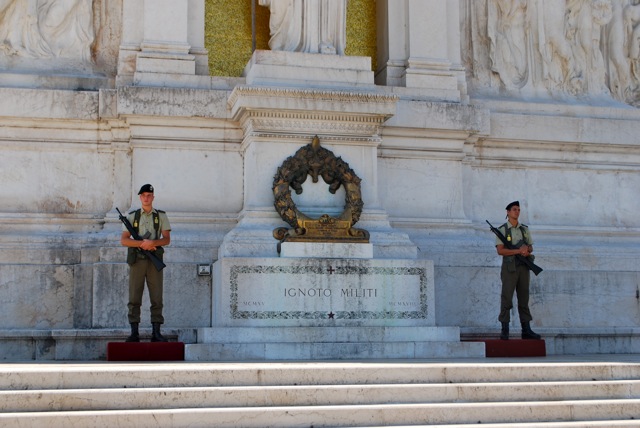
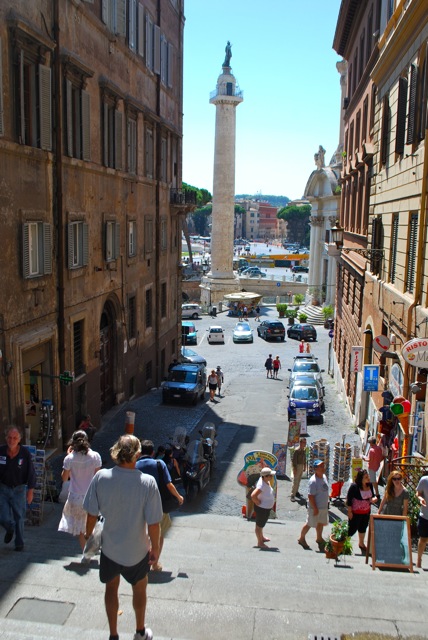
The Capitoline Hill, one of the seven hills of Rome, was the citadel of the earliest Romans.It is nearly hidden by the Emmanuel II monument we walked by a couple of days ago, but came to see more of today.There are grand statues and Tomb of the Unknown Soldier with an eternal flame, plus a magnificent view of the Piazza Venezia.Ruins andchurches everywhere.

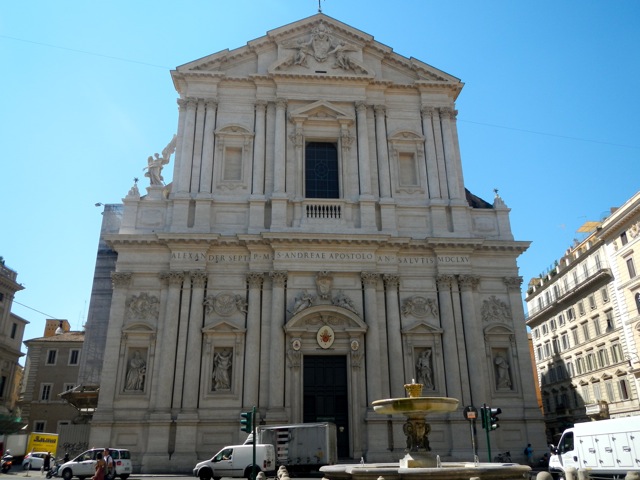
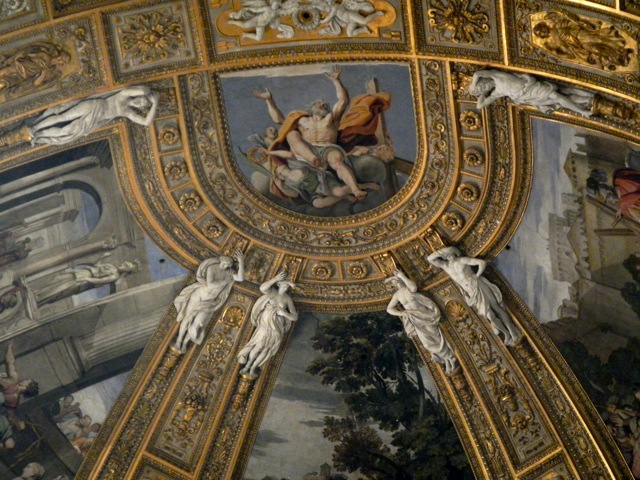
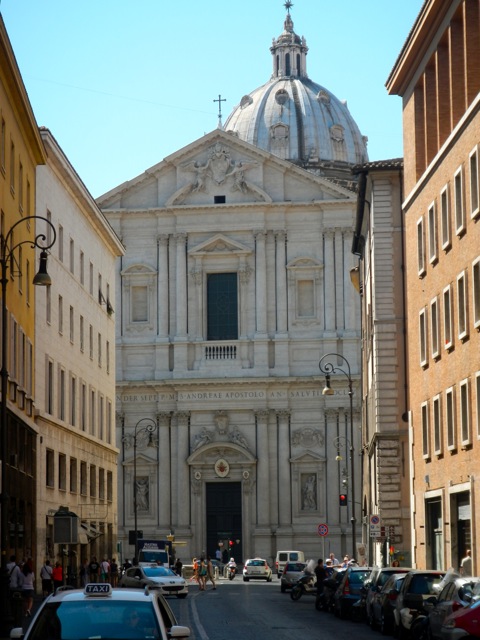
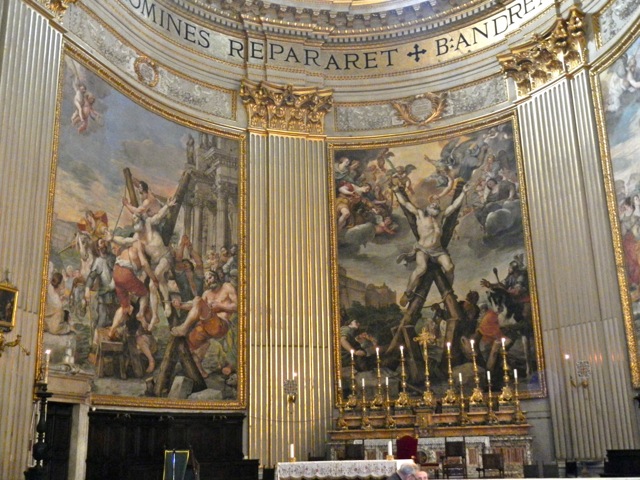
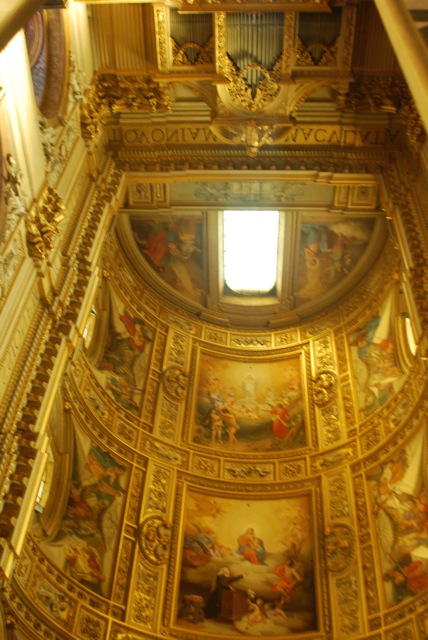
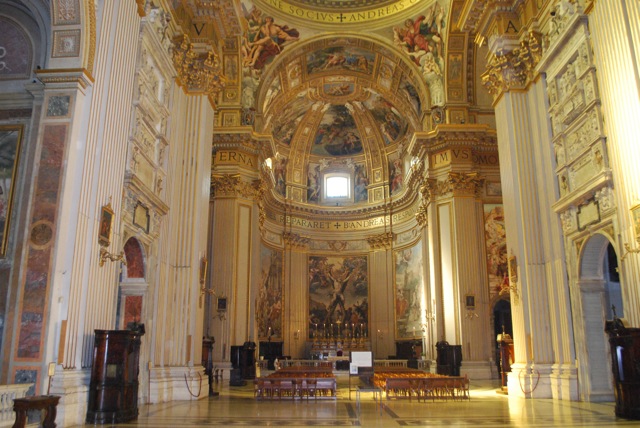
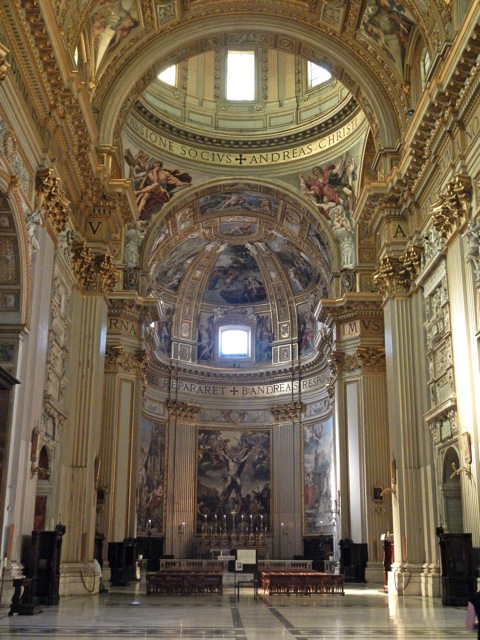
Basilica Sant Andrea della Valle, 

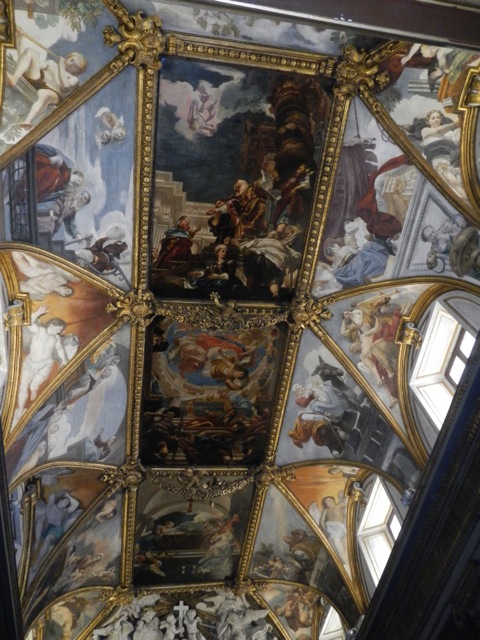
incredible ceiling.
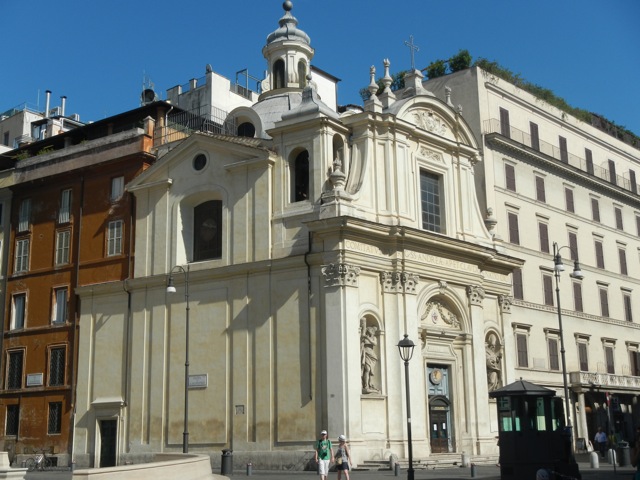
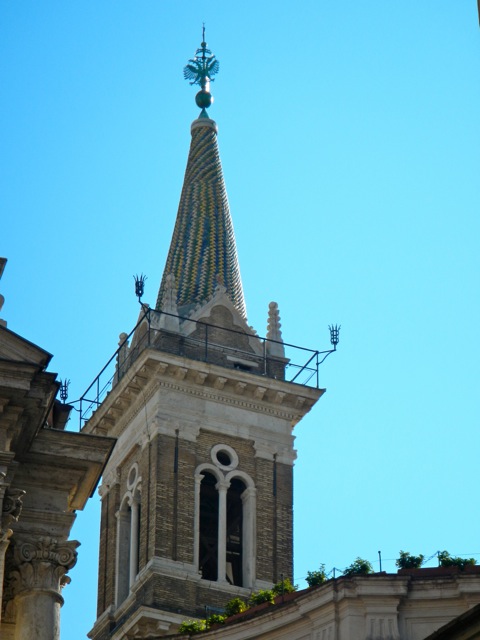
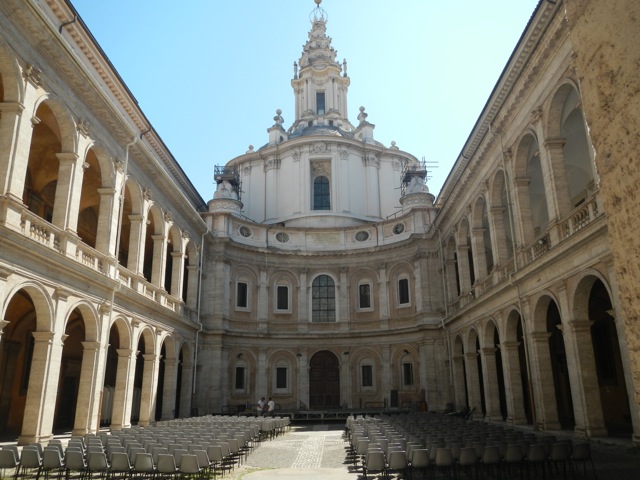
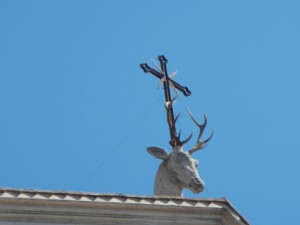
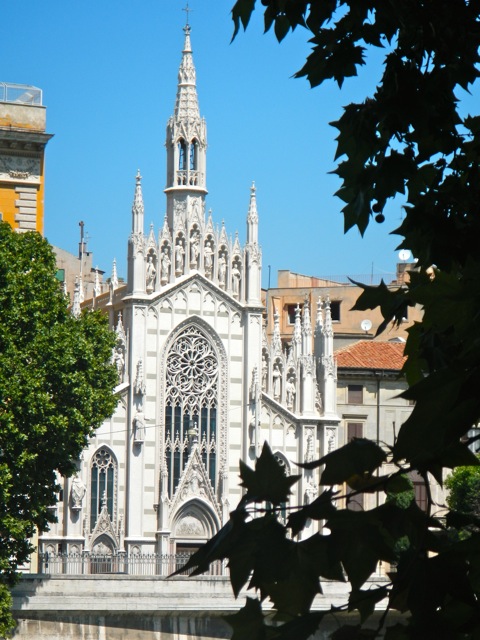
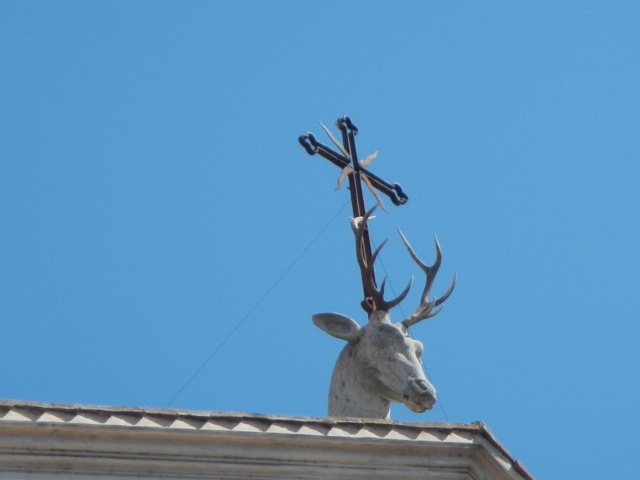
The Church of Saint Yves at La Sapienza, 1600’s.This is the oddest ‘steeple’ we have yet to see.

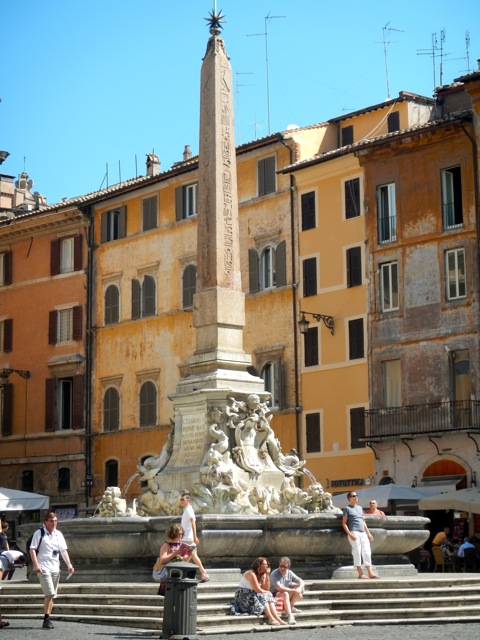
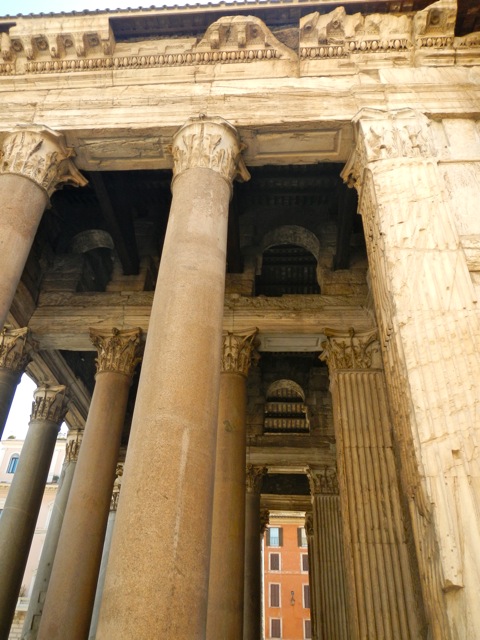
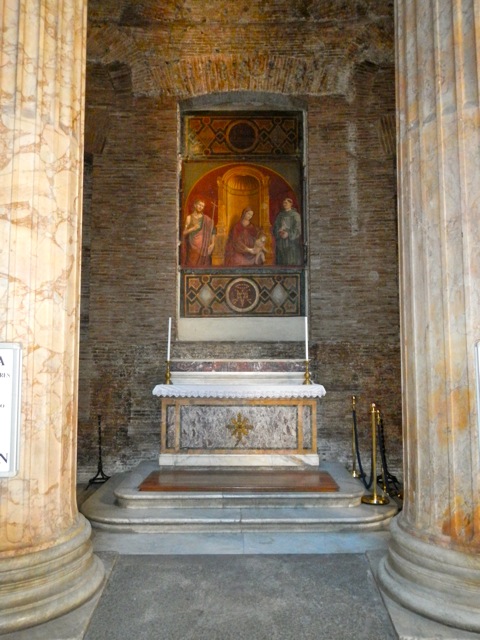
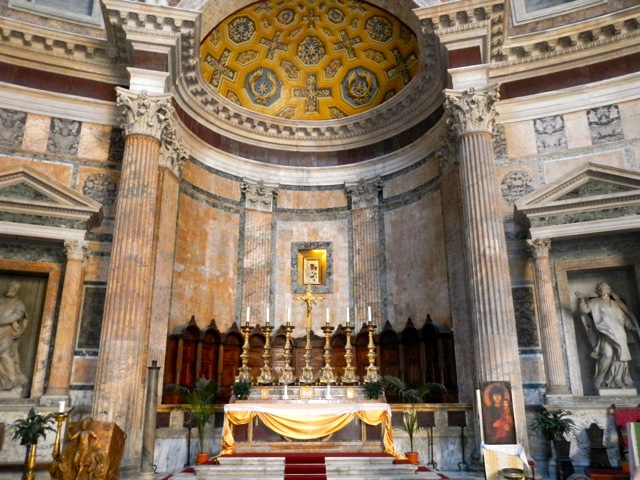
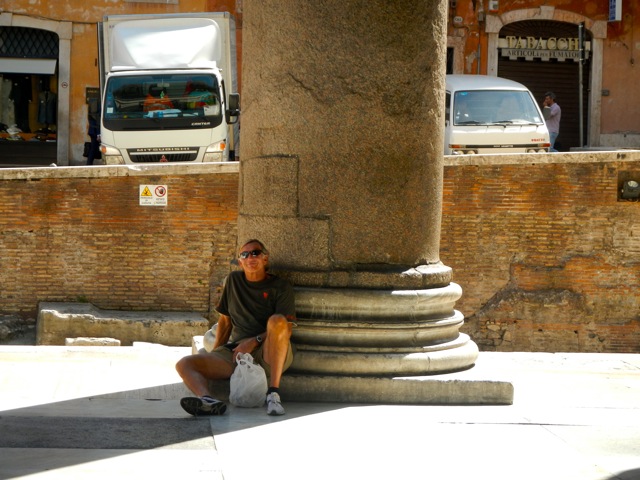
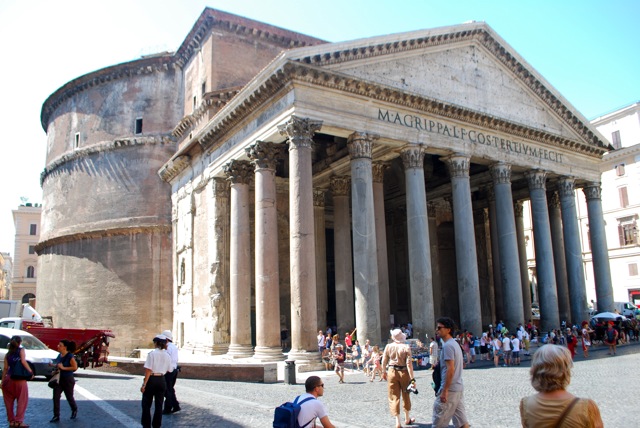
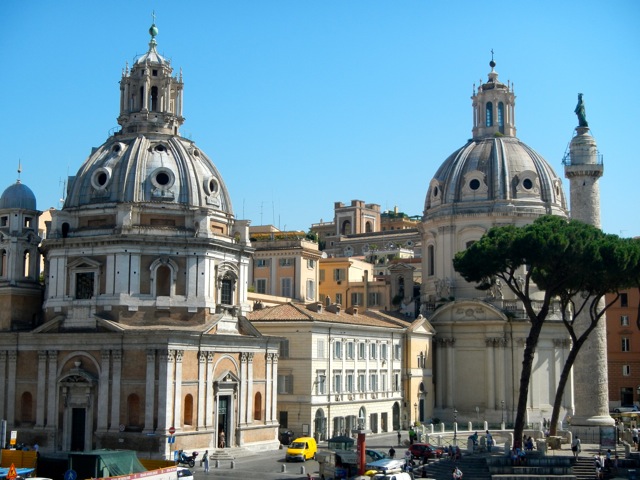
The Piazza della Rotonda in front of Sant’Andrea della Valle Basilica,

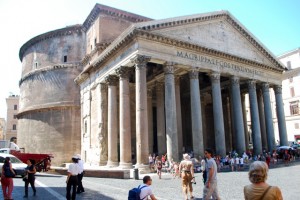
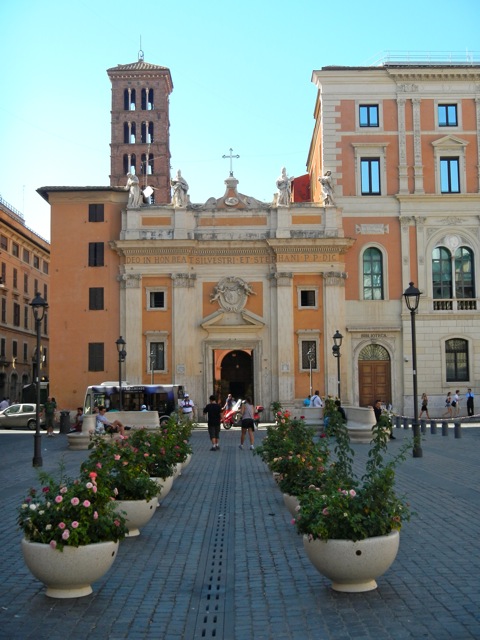
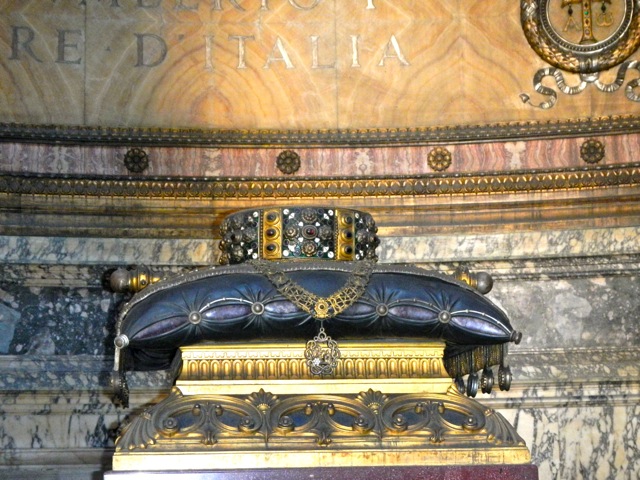
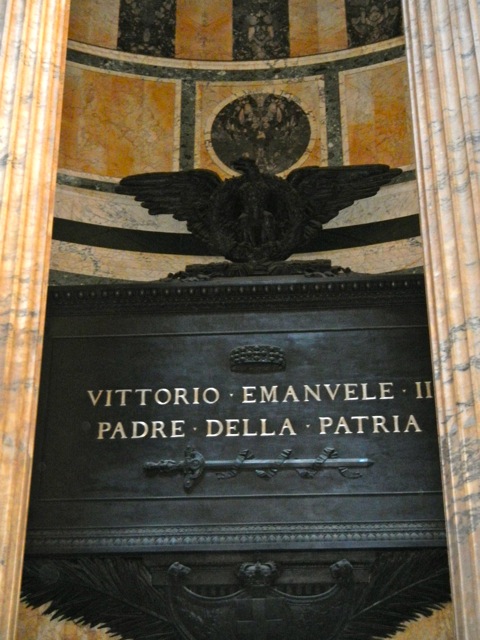
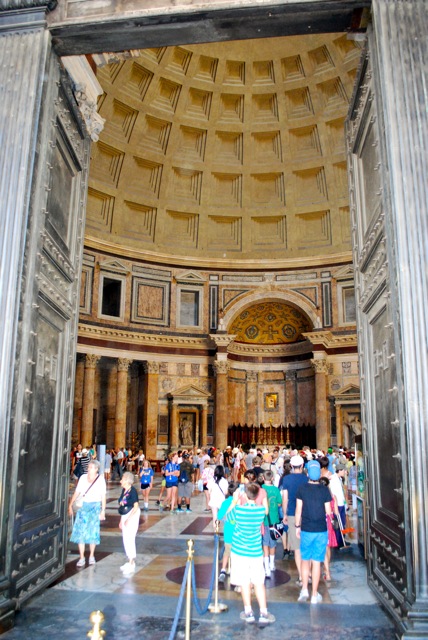
also known as the Pantheon was built in 27 B.C. and converted to a church in 607 A.D.Chiesa di San Silvestro in Capite, 8th century.“Capite”, translate “capitate”….

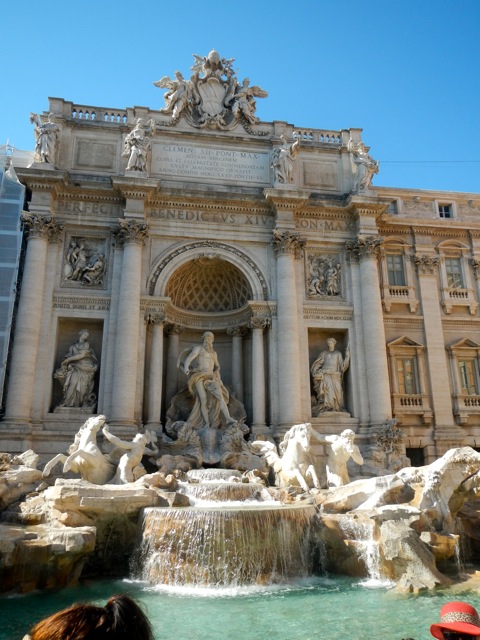
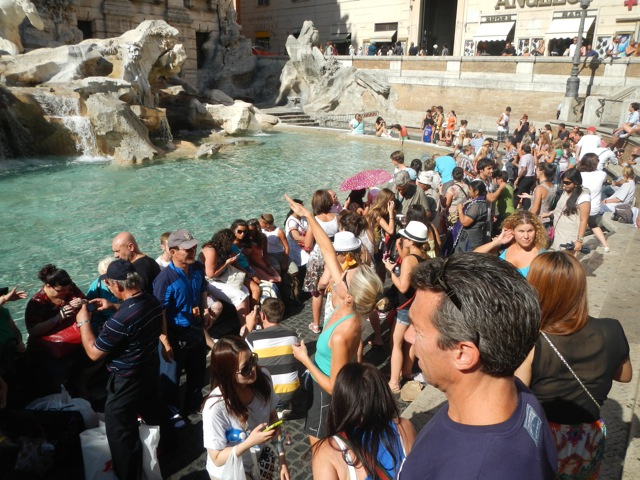
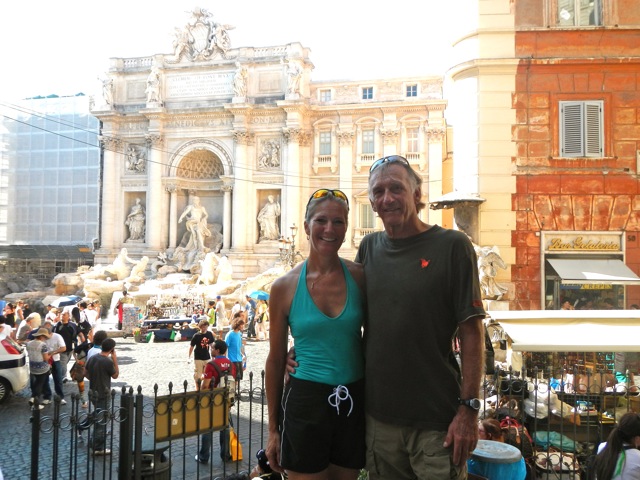
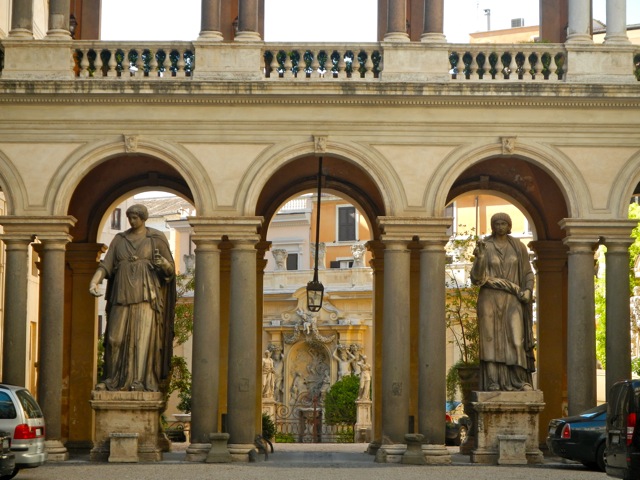
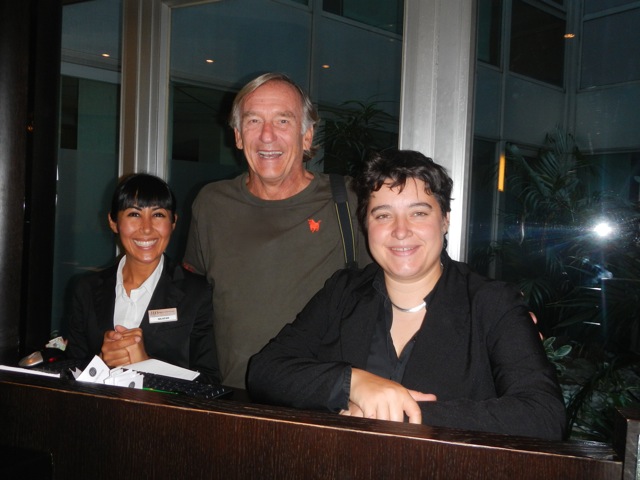
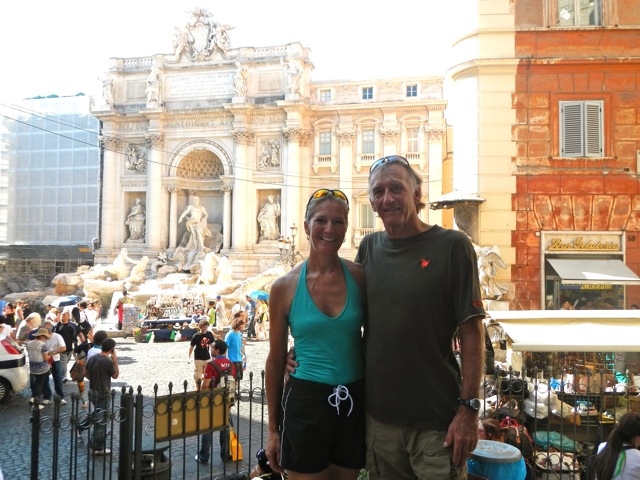
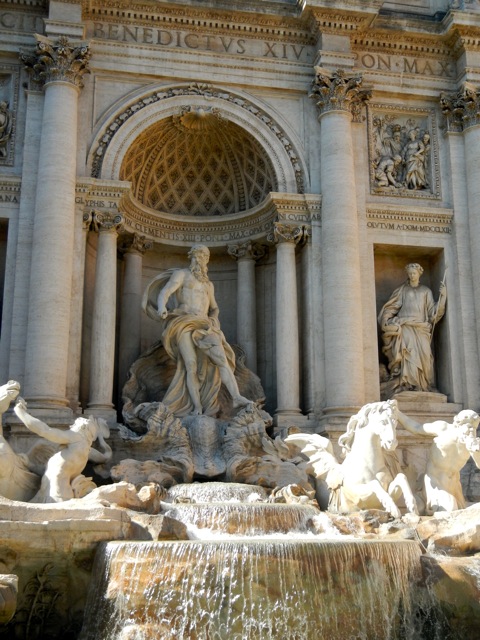
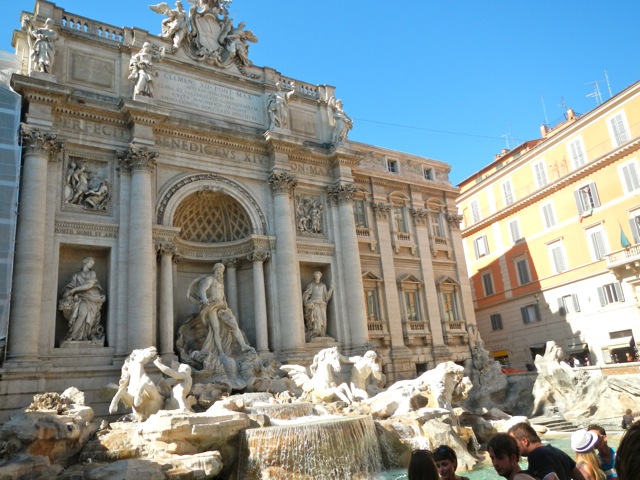
Chiesa di Santa Maria Trivio.The Trevi Fountainwhere we threw “three coins in a fountain” (us senior citizens will know the song).I’m in there somewhere, but these two you may recognize.On the way back, we got a couple shots of the Palazzo Borghesewith an impressive interior garden.Time to pack, say good-bye to the dynamic duo at our hotel and one last delicious Italian dinner before we waddle our way back to the states.

2012 Trip – Factoids and Follow-Up

Monday 3 September 2012

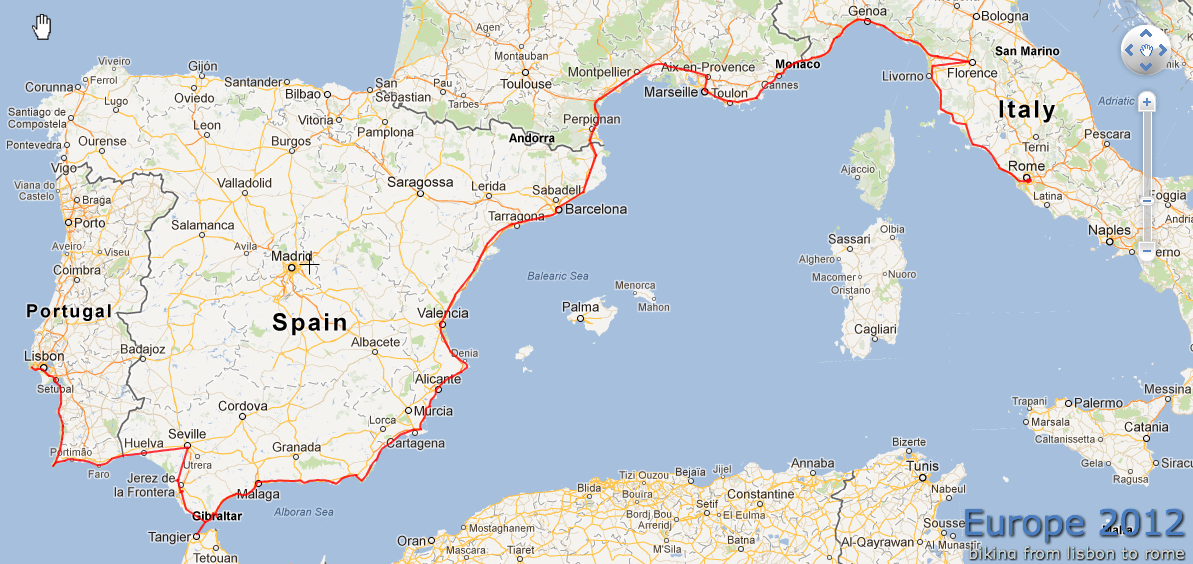
Southern Europe or Mediterranean Tour

If you would like to see this map in detail and really zoom in on our route, click here.

Wow, this was quite the trip.  Though it was our second shortest (in mileage) tour to date, it was the most grueling….but I think we say that after every trip.  Emotions and tired bodies aside, here are the facts.

2512 total miles

64 days total
includes 7 days off for sightseeing.
44 miles a day average.
5 Countries:  Portugal, Spain, Morocco, France and Italy.

1 Territory (British):  Gibraltar

2 of the World’s 3 City States:  Vatican City and Monaco (World’s 2nd smallest country).

2 Continents:  Europe and Africa (yes, we are counting our boat ride to Tangier, Morocco).

4 Mountain Ranges:
Sierra Nevada – Spain
Pyrenees – separates Spain and France.
Alps (Cottian Range) – separates France and Italy.
Ligurian Apennines – Italy

and one time zone

Over 8100 pictures ………… a new record (thank goodness for digital)!

Thank you for joining us and we hope to see you on our next trip, wherever and whenever it will be!